A Black Sea Fish Calendar: Which Fish Is in Season and When
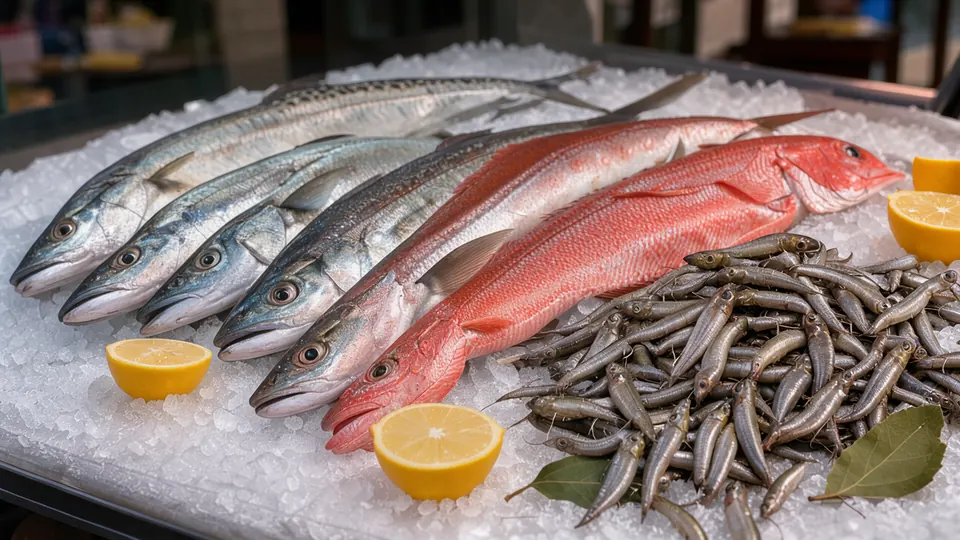
Most visitors eat the same plate all summer in Nessebar — fried sprat and calamari. The problem is that this misses the best the sea offers, because the best arrives on the plate exactly when the beaches empty out.
The Black Sea runs on a clear fishing calendar. Know it and you order better, pay less, and understand when "fresh" on a menu actually means fresh.
Why seasonality matters more here
The Black Sea is shallow, brackish and almost lifeless below roughly 150–200 metres because of hydrogen sulphide. The living layer is thin, and the fish inside it move en masse and on schedule — approaching the shore to feed and spawn, then withdrawing.
So local fishermen do not take whatever turns up; they wait for specific weeks. It is also why fresh fish in a Nessebar restaurant in October is a different proposition from July. For the tradition behind the trade, see Nessebar's fishing heritage.
The calendar at a glance
| Fish | Best season | Note |
|---|---|---|
| Sprat (tsatsa) | Late autumn – early spring | Often frozen in summer |
| Horse mackerel (safrid) | July – October | The classic summer fish |
| Red mullet (barbun) | August – October | Pricey but worth it |
| Bonito (palamud) | September – November | The autumn star |
| Bluefish (lefer) | September – December | Firm, meaty predator |
| Turbot (kalkan) | March–April and July–October | Ban 15 April – 15 June |
| Rapana whelk | Warm months | Harvested by divers |
| Black mussels | Year-round, best in cold months | Mostly farmed |
| Grey mullet (kefal) | Autumn – winter | Cheap and underrated |
Fish by fish
Sprat is not what you think
Tsatsa is a small herring relative and a symbol of the Bulgarian summer, but biologically its season is the cold half of the year. Much of the sprat fried on beaches in August was frozen months earlier.
That is not a scandal — frozen sprat is perfectly acceptable, which is why it is cheap. But to taste it properly, order it in November or March, when it is fresh and firmer.
Horse mackerel: the real summer fish
If you want something genuinely fresh from this sea in July and August, safrid is the logical choice. It comes inshore in the warm months, is landed in quantity, and is cheap enough to appear on almost every menu. Best grilled with coarse salt and lemon.
Bonito: the reason to come in autumn
Bonito passes the Bulgarian coast on its autumn migration, typically September to November. The flesh is dark, oily and dense — closer to tuna than to a light white fish.
This is the fish locals genuinely get excited about, grilled, baked in paper, or jarred at home for winter. If you see fresh palamud in October, order it without thinking.
Bluefish
Lefer arrives around the same time and is prized for firm white flesh. Catches are less predictable and prices higher than bonito.
Turbot: the most expensive plate on the table
Kalkan is a flatfish and the coast's costliest delicacy. Its capture is tightly regulated: fishing, retaining on board, landing and first sale are prohibited from 15 April to 15 June inclusive, under an order issued annually to protect the spawning period.
Two practical consequences:
- "Fresh turbot" on a May menu deserves questions.
- The price stays high all year — typically €40–60 per kilogram in a restaurant, priced per 100 g.
Rapana: the invader that stayed
The rapana is a predatory sea snail that arrived in the Black Sea in the twentieth century and devastated native shellfish beds. Today it is a delicacy, collected by divers mainly in the warm months. The meat is rubbery if cooked badly and excellent if beaten and flash-fried — classically in a pan with butter and garlic.
The honest note about mackerel
Black Sea mackerel effectively vanished from these waters in the second half of the twentieth century. The mackerel you eat on the coast is almost certainly Atlantic and imported. That does not make it bad, but "Black Sea mackerel" on a menu is a rarity, not the norm.
How to order well
- Ask what came in today. Good places answer specifically; weak ones say "everything is fresh".
- Check eyes and gills if the fish is shown whole — clear eyes, red gills, firm body.
- The per-100 g price is not the portion price. A 600 g turbot at €6 per 100 g is €36. Ask the weight first.
- Seasonal fish is cheaper. In October, bonito costs less than the frozen summer alternative and tastes far better.
- Avoid long menus. Twenty species on offer means most are imported.
More on dishes and venues in our Black Sea seafood guide and where and what to eat in Nessebar. For the drink pairing, see Bulgarian wine and rakia.
When to visit for the food
If food is your main reason, plan for mid-September to late October. Bonito, bluefish, horse mackerel and red mullet overlap, the sea is still warm, restaurants are open and prices have dropped. For the wider picture see the Black Sea month by month, and orient yourself with our interactive map.
Frequently asked questions
Is the fish in tourist restaurants fresh?
It varies. Some quayside venues buy from local boats; others work from frozen stock. The menu is the tell: a short seasonal list usually means fresh fish, a thirty-item list does not.
Is it worth buying fish at the market?
Yes, if your accommodation has a kitchen. Fish stalls in Nessebar and Burgas sell seasonal fish for far less than restaurants, and pan-frying horse mackerel is simple.
When is fishing banned?
For turbot, from 15 April to 15 June inclusive. Other species and inland waters are covered by orders issued annually, so check current dates if you plan to fish yourself.
Get local stories & deals
One email a month with the best Black Sea stories and seasonal deals. No spam.