Bulgarian Wine and Rakia: A Drinker's Guide to the Black Sea Coast
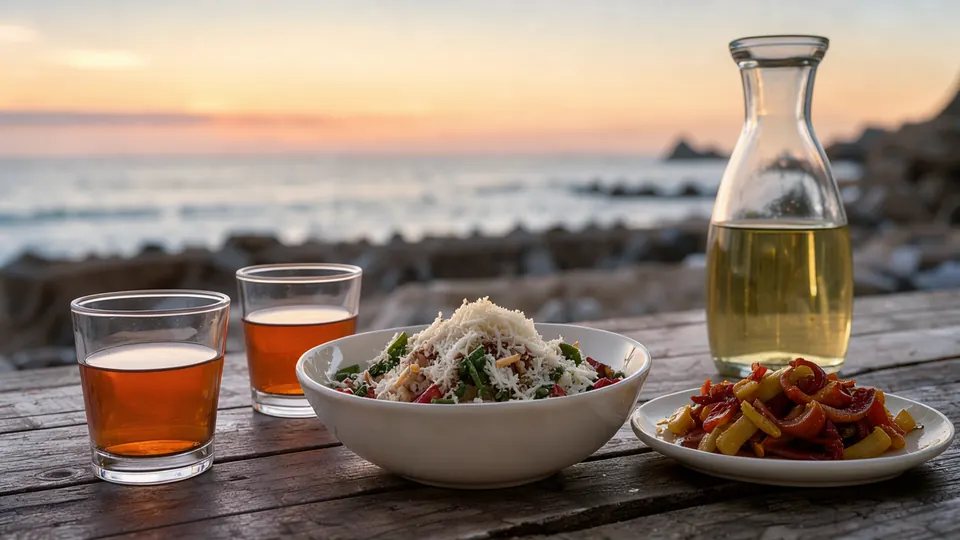
Bulgaria has been making wine for more than three thousand years. The ancient Thracians who built Messambria (today's Nesebar) worshipped Dionysus and buried their kings with gold drinking vessels. Today the country sits among Europe's most underrated wine regions — and the Black Sea coast, with its long warm autumns and sea-moderated climate, is one of its finest white-wine zones.
Then there is rakia: the fierce, fragrant fruit brandy that is less a drink than a national institution. This guide covers what to drink on the coast, the grapes that matter, the wineries within reach of Nesebar, and the unwritten rules of the rakia table that every visitor should know.
The Grapes Worth Knowing
Bulgaria grows international varieties well — Cabernet, Merlot, Chardonnay, Syrah — but the joy is in the native grapes you cannot easily get anywhere else.
Reds
Mavrud (мавруд / mav-RUD) — Bulgaria's flagship red, grown mainly around Plovdiv in the south. Deep, dark, tannic, and ageworthy, with flavours of blackberry, dark plum, and spice. A serious wine that rewards a good bottle and a plate of grilled meat. If you try one Bulgarian red, make it a Mavrud.
Melnik (мелник / MEL-nik) — from the far southwest, around the tiny town of Melnik. The broad-leaved Melnik vine produces a robust, structured red, traditionally so concentrated that legend says it could be carried in a handkerchief. Earthy, tobacco-tinged, excellent with kavarma and game.
Rubin — a Bulgarian cross of Nebbiolo and Syrah, soft, fruity, and approachable; a great everyday red.
Gamza (гъмза) — light, bright, cherry-fresh; the easy-drinking northern red.
Whites
These are what you drink on the Black Sea coast, and they are excellent.
Dimyat (димят / di-MYAT) — the classic Black Sea white grape, crisp, floral, and lightly aromatic. The natural partner for Black Sea mussels and fried tsatsa. Dry, refreshing, inexpensive — order it by the carafe.
Misket (мискет / mis-KET) — particularly the Red Misket of Karlovo and the Vrachanski Misket, intensely aromatic, with rose, peach, and muscat perfume. Off-dry to dry. Wonderful as an aperitif on a warm terrace.
Traminer and Sauvignon Blanc — grown well in the coastal vineyards, crisp and aromatic, perfect with the local catch.
The Black Sea Wine Country
The coastal plain around Burgas, Pomorie, and toward Varna is one of Bulgaria's official wine regions — the Black Sea / Eastern region — and it specialises in whites and aromatic varieties thanks to the moderating sea climate and long sunny autumns.
Wineries within an easy trip of Nesebar:
- Pomorie wineries — Pomorie, just south of Nesebar (20 minutes), is a salt-and-wine town with a long viticultural history; several cellars and the brandy houses welcome visitors. Pomorie is also known for its brandy production.
- Black Sea Gold (Pomorie) — one of the larger established producers in the region, a name you will see on coastal wine lists.
- Burgas-area cellars — boutique producers around the bay focusing on Dimyat, Traminer, and Chardonnay.
- Varna direction — toward Varna and the Northern Black Sea, more wineries specialising in aromatic whites and sparkling.
A coastal wine day trip pairs beautifully with a stay in Nesebar — cellar visits, tastings, and a seafood lunch. Ask your host or browse stays in Nesebar close to the wine country.
Rakia: The Heart of the Table
If wine is Bulgaria's craft, rakia is its soul. Rakia (ракия / ra-KI-ya) is a fruit brandy, usually 40% ABV or higher, distilled from fermented fruit:
- Grozdova (гроздова) — from grapes, the most common
- Slivova (сливова) — from plums, soft and rounded
- Kaysieva (кайсиева) — from apricots, fragrant and prized
- Smokinova / dyulova — from figs or quince, regional specialities
Homemade rakia (domashna rakia) is a point of fierce family pride. Across Bulgaria, families distil their own each autumn from their own fruit, and a host offering you their homemade rakia is offering you something personal. Refusing politely is fine; refusing rudely is not.
The Rules of the Rakia Table
Rakia comes with etiquette that marks you as someone who understands:
- Rakia is an aperitif, not a digestif. It is drunk at the start of the meal, alongside cold salad (shopska is the classic pairing), never after dessert. This is the single most important thing to know.
- It is sipped, not shot. Despite the strength, rakia is savoured slowly over the salad, in small glasses, across the first part of the meal.
- Always toast. Raise the glass, make eye contact, say "Nazdrave!" (наздраве — "to health!"), and only then drink. Drinking without the toast is bad form.
- Never on an empty stomach. The salad is not optional company — it is the point. Rakia and salad are eaten together.
- Accept hospitality graciously. If a Bulgarian host pours you their homemade rakia, accept at least a small glass. It is an act of welcome.
How to Drink It
Chilled or at room temperature depending on the type (grape rakia is often chilled in summer). With shopska salad and sirene to start. Pace yourself — 40%+ ABV is no joke, and Bulgarian hospitality is relentless. A good rule: one rakia with the salad, then move to wine for the main course.
Pairing It All Together
| Course | Best with |
|---|---|
| Cold salads (shopska, snezhanka) to start | Grozdova rakia, sipped |
| Black Sea fish and mussels | Dry Dimyat, Traminer, Sauvignon Blanc |
| Grilled pork (kebapche, kyufte) | Mavrud, Rubin, Melnik |
| Clay-pot stews (kavarma) | Melnik, Mavrud |
| Aromatic aperitif on the terrace | Misket, off-dry |
Where to Taste
- Mehanas in Nesebar Old Town carry house rakia by the carafe and a good range of Bulgarian wines by the glass — ask for the local Dimyat.
- Wine shops in Burgas and Pomorie stock boutique coastal bottles to take back to your apartment.
- Winery visits in Pomorie and around the bay offer tastings and cellar tours, an easy half-day from Nesebar.
- Supermarkets (Lidl, Billa, Kaufland) carry surprisingly good Bulgarian wine from €4-8 a bottle — Mavrud, Dimyat, and Melnik are all easy to find.
A bottle of good Bulgarian wine costs 6-13 € in a shop and 10-25 € in a restaurant; homemade rakia in a mehana is 1-2 € a glass. Few wine regions in Europe deliver this much pleasure for the price.
Settle in near the coast's wine country and the harbour mehanas — browse apartments and houses in Nesebar, and read more food-and-drink guides in our articles.
FAQ
What is the difference between rakia and other brandies?
Rakia is a Balkan fruit brandy distilled from fermented fruit (grapes, plums, apricots) at 40%+ ABV. Unlike cognac or whisky, it is traditionally drunk as an aperitif at the start of the meal with salad, not afterward.
Which Bulgarian wine should a first-timer try?
For red, a Mavrud — Bulgaria's flagship grape, deep and ageworthy. For white on the coast, a dry Dimyat to go with the seafood. Both are inexpensive and widely available.
Is Bulgarian wine actually good?
Yes, and it is one of Europe's best-value wine countries. A three-thousand-year tradition, native grapes you cannot find elsewhere, and prices a fraction of Western Europe make it well worth exploring.
Can I visit a winery from Nesebar?
Yes — Pomorie (20 minutes south) is a wine-and-brandy town with cellars that welcome visitors, and more wineries lie around Burgas Bay. It makes an excellent half-day or day trip.
How strong is rakia?
Typically 40% ABV, often higher for homemade versions. It is sipped slowly with food, not shot. Pace yourself and never drink it on an empty stomach.
What do I say when toasting?
"Nazdrave!" (наздраве), meaning "to health." Raise your glass, make eye contact, say it, and only then drink. Toasting is essential etiquette in Bulgaria.
Get local stories & deals
One email a month with the best Black Sea stories and seasonal deals. No spam.