Off-Season Spa and Wellness on the Black Sea: Where to Go and What It Costs
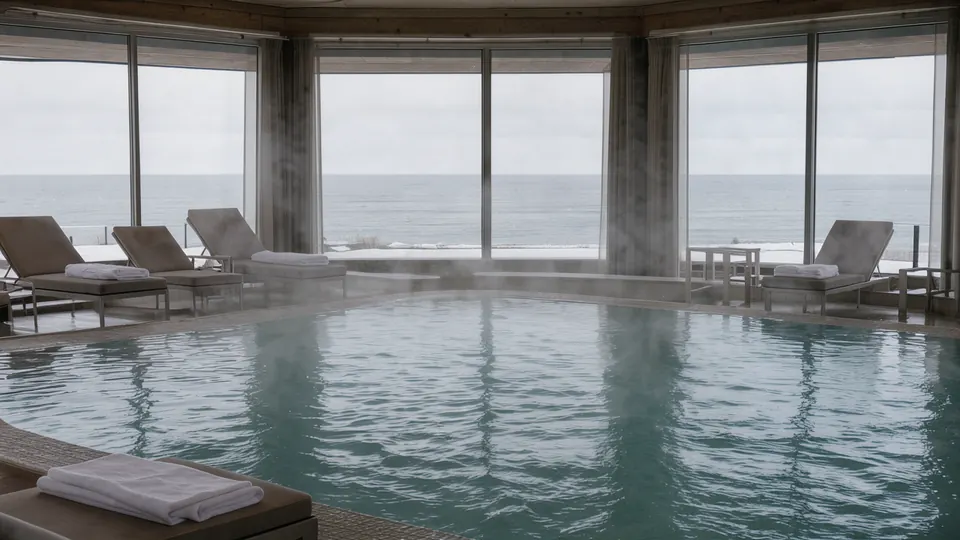
The Bulgarian coast keeps a well-hidden second season. From October to May the beaches are empty, prices halve, and the hotels that stay open live on something entirely different from sunbathing: healing mud, mineral water and sea air.
This is not a second-rate holiday. Balneotherapy here has more than a century of tradition, and it is the reason several complexes bother opening at all in winter.
Why off season suits a spa trip
- Rates run 40–60% below July for the same room.
- Pools and treatment rooms are empty — no waiting, no sharing a jacuzzi with thirty people.
- Staff have time, so treatments are done properly rather than on a conveyor belt.
- Sea air is cleaner and more humid in the cool months, which is exactly what helps respiratory conditions.
- There is no temptation to lose the day on the beach, so you actually keep to the programme.
The trade-off: many resort restaurants and attractions are shut. For realistic expectations, see Nessebar off season.
Pomorie, the mud therapy capital
If one place on this coast justifies the trip for treatments alone, it is Pomorie. The reason is Pomorie Lake, a hypersaline lagoon whose bed produces black therapeutic mud.
What the liman mud is used for
Pomorie mud is rich in mineral salts, sulphides and organic matter. Common indications include:
- joint and muscle problems — arthrosis, post-injury recovery
- spinal conditions — disc problems, neck and lower back complaints
- gynaecological and post-operative recovery
- skin conditions such as psoriasis and eczema, outside acute phases
The standard treatment is a mud application of 15 to 30 minutes, followed by a shower and rest. It works as a course, not a one-off — real benefit is expected after 8–12 sessions.
Beyond mud, the town works with brine, sea salt and mineral water, and offers underwater massage, electrotherapy and physiotherapy. For a visit without an overnight stay, see the Pomorie Salt Lake day trip and the fuller Pomorie salt and spa guide.
Other options along the coast
Burgas mineral baths
About 15 km northwest of Burgas lies the oldest thermal spring in the region, used in turn by Thracians, Romans and Ottomans. The water is hot and lightly mineralised, and the site works well as a half day combined with its museum section.
Sveti Vlas
Declared a climatic resort back in the mid-twentieth century thanks to the combination of sea air and pine slopes running almost to the shore. No mud here, but modern hotel spas and famously clean air — historically a recovery destination for lung conditions.
Nessebar and Sunny Beach
Few hotels open in winter, but those that do usually have an indoor pool, sauna and well-priced treatment packages. The bonus is being five minutes from the old town, which in November is quiet and beautiful in a way August never allows.
For retreat-style wellness rather than medical treatment, see yoga and wellness retreats near Nessebar.
Typical prices
| Service | Usual off-season price |
|---|---|
| Spa hotel night, half board | around €40–70 per person |
| Package: night, meals, 2 treatments daily | around €35–45 per person per day |
| Single 50–60 minute massage | around €30–45 |
| Therapeutic mud application | around €12–25 |
| Day pass for pool and sauna | around €10–25 |
| Balneologist consultation | around €10–25 |
Overall, a week-long course with 12–14 treatments and full board typically lands between €300 and €450 per person — less than five summer nights with no treatments at all.
Longer packages always beat buying treatments one by one. If staying more than three days, ask for a "balneo" or medical package rather than room-plus-extras.
Planning the stay
- Book a course, not a single session. One mud wrap is pleasant; twelve is treatment.
- Bring medical records if you have a specific condition. Serious hotels want to see them before prescribing.
- Ask about contraindications. Mud therapy is not advised during active inflammation, uncontrolled hypertension, active oncological disease or pregnancy.
- Reserve treatments in advance even off season; small centres run two or three cabins.
- Build in rest afterwards. Mud and brine are demanding; a morning treatment followed by an afternoon excursion works badly.
- Check what is open nearby. In November and February many restaurants close, so hotel catering matters more than in summer.
If you prefer self-catering to a hotel board plan, browse available apartments and buy treatments separately at a balneo centre.
Which month to choose
- October — the best compromise: warm sea, venues open, low prices. See autumn in Nessebar.
- November and February — cheapest months and emptiest centres.
- December and January — fewer venues, but holiday packages appear.
- March and April — fresh air, blossom, hotels reopening with promotions.
Frequently asked questions
Do I need a doctor's referral?
Not for hotel spa treatments. For genuine mud therapy, reputable centres require at least an on-site balneologist consultation, and medical documentation if you have a chronic condition.
Can I collect mud from the lake myself?
Pomorie Lake is a protected area, and digging mud out yourself is a bad idea both legally and medically. Use the equipped facilities, where the mud is processed and monitored.
Is it suitable for children?
Most balneo centres accept children only above a certain age and for specific indications. For an off-season family trip, look for a hotel with an indoor pool and keep the treatments for the adults.
Get local stories & deals
One email a month with the best Black Sea stories and seasonal deals. No spam.