Nesebar in Winter — Off-Season Charm and What to Expect
Most tourists only know summer Nesebar. But the ancient town has a quiet, mysterious beauty in winter that few ever experience. If you're in Bulgaria between November and March, a day trip to Nesebar is absolutely worth it.
What to Expect
Weather: 3–10°C, occasional rain and wind. Snow is rare but possible. Dress warmly. Crowds: Almost none. You might be the only tourist in the old town. Opening hours: Many restaurants and shops are closed. Museums have reduced hours (10:00–17:00, closed Sundays). Accommodation: Very limited. Most old-town hotels close. Some in New Nesebar stay open at 30–50% of summer prices.
Why Visit in Winter
The old town is yours — walk the empty streets, hear your footsteps on the cobblestones, feel the weight of 3,000 years of history without any distraction
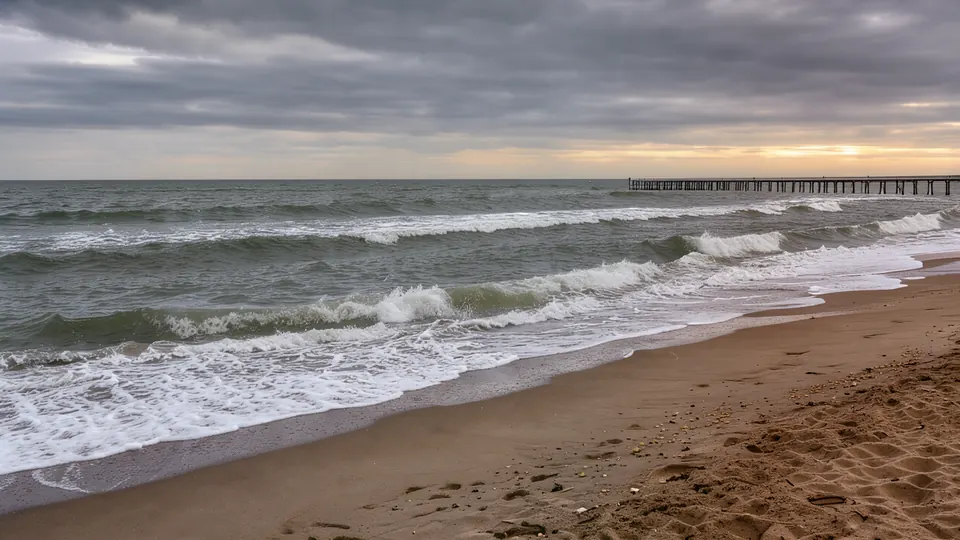
Dramatic atmosphere — moody skies, crashing waves, and fog rolling over the ruins create incredible photography opportunities
Local life — see Nesebar as locals live it: fishermen mending nets, cats sunning on church walls, old men playing backgammon in cafes
Incredibly cheap — accommodation and dining at a fraction of summer prices
Combine with Burgas — the city has year-round cultural life, shopping, and restaurants
What's Open in Winter
Archaeological Museum (reduced hours)
Churches — exteriors always accessible, some interiors open on request
A few restaurants in New Nesebar serve year-round
Burgas (30 km) has everything open — mall, theater, restaurants, bars
Winter Day Trip Itinerary
10:00 Arrive in Nesebar. Park easily (no summer crowds!)
10:15 Walk through Old Nesebar. Take your time with no tourists around
11:00 Visit the Archaeological Museum
12:00 Explore the churches and ramparts
13:00 Lunch at one of the open restaurants in New Nesebar
14:00 Walk along the winter beach — dramatic waves, empty sand
15:00 Drive to Pomorie salt museum or Burgas Sea Garden
16:30 Coffee in Burgas before heading back
Photography in Winter
Winter light in Nesebar is spectacular for photography:
Low-angle sun creates long shadows on the stone walls