Nesebar in Winter: What Actually Stays Open, What It Costs, and Who It Suits
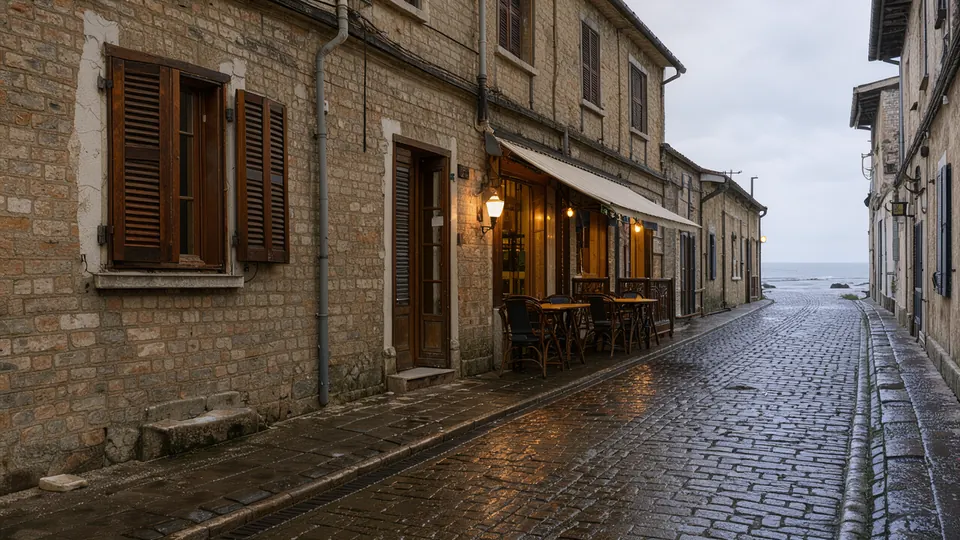
Between November and March, Nesebar shrinks. The resort shell falls away, shutters go up, and what remains is a small town with a school, a post office, a market and fishermen who still go out. For some visitors that is a disappointment. For others it is the only way to see the peninsula as it was before tourism.
This guide is deliberately practical: what is open, what is not, what it costs, and how to arrive with the right expectations.
What stays open
The Old Town
The cobbles, the fortress walls, the churches and the windmill are there year-round and fully accessible. The walk is free and, frankly, looks better in January than in August because nobody is in the way. What changes is the supporting infrastructure.
- Museums and church-museums stay open in winter but on reduced hours with closing days. The summer "every day until late" schedule ends — check on the day you visit.
- Restaurants. Only a handful remain: typically two or three in the Old Town and several in the new part. Enough to eat well, not enough to have a choice.
- Souvenir shops are almost entirely shut. Grocery shops and pharmacies in the new town operate normally.
The new town
This is where real life happens: supermarkets, banks, the market, the bus station, gyms and doctors. Nesebar is not a village — the municipality has a substantial permanent population, so core services never stop.
Sunny Beach
Effectively closed. Hotels are boarded, promenades are empty, and only a few shops and cafés operate. Walking through it in January is a strange experience — interesting once, bleak by day three.
The weather: cold, not Siberian
The sea moderates the winter. Rough expectations:
| Month | Daytime air | Sea | Character |
|---|---|---|---|
| November | around 10 – 15 °C | around 13 – 15 °C | wet, windy |
| December | around 6 – 11 °C | around 10 – 12 °C | grey, short days |
| January | around 3 – 8 °C | around 7 – 9 °C | coldest, stormy |
| February | around 4 – 9 °C | around 7 – 9 °C | cold wind, clear days |
| March | around 8 – 13 °C | around 8 – 10 °C | transition, light returns |
The real factor is wind, not temperature. A north-easterly makes 5 °C feel like zero, and the waves hitting the fortress wall are a genuine spectacle. Bring a windproof jacket, a hat and shoes with grip — wet cobbles are slippery. Our weather and sea temperature guide has the full picture.
Days are short: around 21 December the sun rises near 07:35 and sets near 16:40. Plan your walking for daylight.
The prices
This is the biggest difference. Off-season rates collapse:
- Nightly apartment rental: typically €20–40 instead of €60–120 in August.
- Monthly furnished rental: often €250–450 plus utilities, with winter electricity for heating adding perhaps €80–150 a month.
- Lunch in an open restaurant: around €8–15 per person.
- Taxi to Burgas Airport: around €30–40.
The month-by-month comparison is in our seasonal pricing guide, and current listings are in the property catalogue.
Who will enjoy it
A good fit for:
- Photographers. Empty cobbles, low sun, storm surf, nobody in the frame.
- Remote workers who want a quiet, cheap month by the sea.
- History travellers, who can walk the churches without queues and actually talk to the curators.
- Birdwatchers. Wintering flocks on the Pomorie and Atanasovsko lakes are a reason to travel in their own right.
A bad fit for: anyone after nightlife, water parks, water sports or beach time, and families with small children who need indoor entertainment.
Things to do
- The churches and the archaeological museum — the core programme, ideal on a cold day.
- Burgas, roughly 37 km away and open year-round: theatre, museums, the Sea Garden, good restaurants. See the Burgas guide.
- Pomorie, where the salt pans, the salt museum and the lye spa hotels operate in winter — day trip details.
- Nikulden, 6 December. The feast of fishermen and sailors is the one day the Old Town fills up again — with locals, not tourists.
- The mountains. The Balkan range begins behind Sveti Vlas; on a clear winter day the route toward Cape Emine is among the finest walks on this coast.
Practical caveats
- Heating in many seaside apartments is air conditioning, not central heating. Ask the host how many units work and whether there is a backup heater.
- Damp is real. For a long stay, ask for a dehumidifier.
- Bus timetables switch to a thinner winter schedule; check locally.
- Some beach paths and stairways are not maintained off-season.
Frequently asked questions
Are the church-museums open in January?
Yes, but on winter hours with closing days, and a few of the smaller monuments may be shut for conservation. Visit on a weekday and ask at the Archaeological Museum ticket desk which sites are open that day.
Can you swim?
Technically yes, realistically no. The sea sits around 7–9 °C in January and February. Locals do plunge in on Epiphany, but that is a ritual, not a holiday.
Is a winter weekend worth it?
Yes if you are already in the region and your target is the Old Town plus Burgas. For a long-haul trip, combine Nesebar with Sozopol, Strandzha or Varna — ideas in our day trips guide.
Get local stories & deals
One email a month with the best Black Sea stories and seasonal deals. No spam.