Nesebar Weather and Sea Temperature: A Month-by-Month Guide
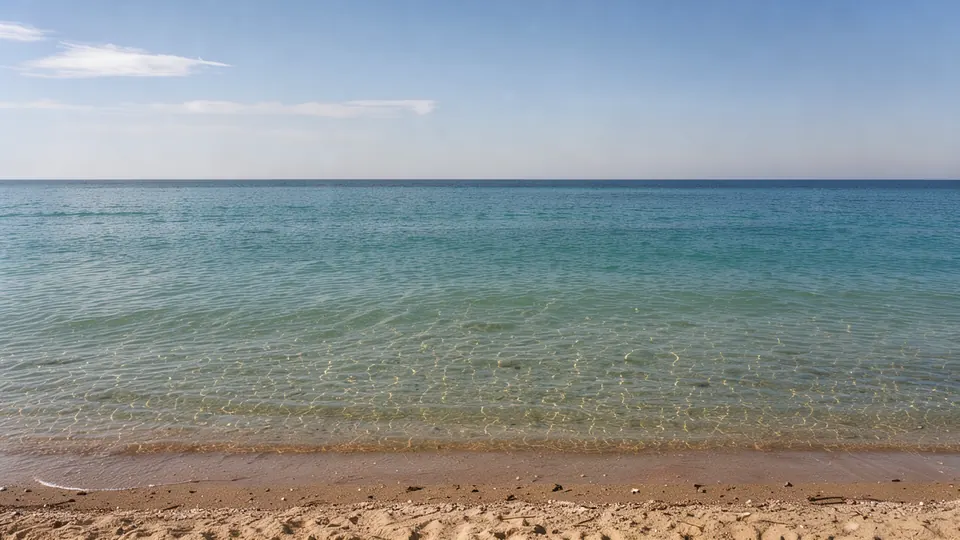
The single biggest factor in whether your Nesebar holiday is brilliant or disappointing is timing it against the weather and the sea. The Bulgarian Black Sea has a milder, gentler climate than the Mediterranean — the water is cooler, the summers are dry and hot, and the shoulder seasons are genuinely pleasant. This guide gives you real numbers: air temperatures, sea temperatures, rainfall, swimming windows, and a packing list tuned to the month you travel.
The Short Version
- Swim comfortably: mid-June to late September, with the warmest sea in August.
- Best weather-to-crowd ratio: the first three weeks of June and the first three weeks of September.
- Hottest and busiest: July and August.
- Cultural travel without beach: May and October are mild and quiet.
- Avoid for a beach holiday: November to April (cold, closed, sea unusable).
Month-by-Month Climate Table
| Month | Avg day air | Avg night air | Sea temp | Rainy days | Swim? |
|---|---|---|---|---|---|
| January | 6°C | 1°C | 7°C | 8 | No |
| February | 7°C | 1°C | 6°C | 7 | No |
| March | 11°C | 4°C | 8°C | 7 | No |
| April | 16°C | 8°C | 11°C | 8 | No |
| May | 21°C | 12°C | 16°C | 8 | Brave only |
| June | 26°C | 17°C | 21°C | 6 | Yes (from mid) |
| July | 30°C | 20°C | 25°C | 4 | Yes |
| August | 31°C | 21°C | 27°C | 3 | Yes |
| September | 27°C | 17°C | 24°C | 5 | Yes |
| October | 19°C | 11°C | 19°C | 7 | Mild |
| November | 13°C | 6°C | 14°C | 9 | No |
| December | 8°C | 3°C | 9°C | 9 | No |
These are typical averages; individual years vary. Heatwaves can push August days above 35°C, and a cool snap can drop a June morning to 14°C.
Spring: April and May
April brings the Old Town back to life around Orthodox Easter. Days reach 16°C, nights are cool at 8°C, and there is moderate rain. The sea sits at 11°C — far too cold for most people. This is a month for walking the peninsula, photography, and cultural sightseeing with a light jacket.
May is one of the most underrated months. Days warm to 21°C, the light is soft and golden, the wildflowers are out, and the town is calm. The sea reaches 16°C by month-end — swimmable for the hardy, but most visitors paddle rather than swim. Pack layers: warm afternoons, cool evenings.
Summer: June, July, August
June is the locals' favourite. By mid-month the sea passes 20°C and becomes genuinely pleasant. Days are warm at 26°C without the blistering heat of August, rain is rare (around 6 wet days), and the daylight is enormous — the sun rises before 05:30 and sets near 21:00. Crowds and prices are still moderate. If you have the flexibility, this is the month to book.
July is high summer. Days hover at 30°C, nights stay warm at 20°C, the sea is a perfect 25°C, and rain almost disappears (around 4 wet days). Everything is open and operating at full capacity. This is the classic Bulgarian beach month, and it is busy.
August is the hottest and busiest. Daytime air averages 31°C and routinely tops 34-35°C in heatwaves; the sea is at its warmest, 27°C, like a warm bath. Rain is minimal (around 3 days). This is peak everything — peak sun, peak sea, peak crowds, peak prices. Sunbeds are gone by 10:00 in the central beaches.
A practical August tip: the sun here is strong. UV index regularly hits 9-10 at midday. Use SPF 50, seek shade between 12:00 and 16:00, and hydrate constantly — children especially.
Autumn: September and October
September is the second sweet spot, and many seasoned travellers prefer it to June. The sea holds the summer's warmth at 24°C through most of the month, days are a comfortable 27°C, the light turns golden, and after the first week the crowds thin dramatically. Prices fall 30-40% from the August peak. The only catch is that some beach facilities and pools begin to wind down after mid-month.
October is a transition. The first half can still deliver 19-22°C days and a swimmable 19°C sea, especially in the early weeks. By the end of the month it cools toward 16°C and rain becomes more frequent. Aquaparks and beach bars close, but the Old Town is atmospheric and cheap. This is a month for culture, photography and quiet walks rather than beach days.
Winter: November to March
The coast effectively closes for tourism. Days run 6-13°C, nights drop near freezing, the sea is 6-9°C, and rain or occasional snow is common. Most hotels, restaurants and all beach facilities are shut. The Old Town is beautiful and empty — a niche pleasure for photographers and writers, but not a beach holiday.
What to Pack by Season
April-May:
- Light jacket and a warm layer for evenings
- Comfortable walking shoes for cobblestones
- Light rain jacket
- Sunglasses and sun hat (the spring sun is deceptive)
June-August:
- SPF 50 sunscreen (mineral-based for children)
- Sun hat with a brim, UV sunglasses
- Two swimsuits each (one always drying)
- Light, breathable clothing in natural fabrics
- Light long-sleeve top for sea-breeze evenings
- Closed shoes for Old Town cobblestones, plus sandals
- A refillable water bottle — tap water is safe to drink
September:
- Same as summer, plus one warm layer for cooler late-evening sea breeze
October:
- Layers, a light jacket, a rain jacket
- Warm evening clothing
- Comfortable closed shoes
When Can You Actually Swim?
The honest answer: comfortably from around 18 June to 25 September. The Black Sea warms slowly because it is a large, relatively enclosed body of water, and it cools slowly too — which is why September stays warm. May and early June water (16-19°C) is bracing; most visitors find it too cold for more than a quick dip. By contrast, late August and early September water (25-27°C) feels like a warm bath.
If your priority is warm sea above all else, target late July to mid-September. If your priority is the best balance of warm sea, good weather, low prices and few crowds, target the first three weeks of June or the first three weeks of September.
To match your travel month to the right apartment, browse availability on nesebar.net/apartments/nesebar — sea-view and pool properties are easiest to book outside the August peak.
FAQ
Is the Black Sea cold compared to the Mediterranean?
Yes, a little. At its August peak the Black Sea reaches about 27°C, similar to the warm Mediterranean, but it warms later in the season and the shoulder months are cooler. The trade-off is a gentler, calmer, less salty sea that many families prefer.
Does it rain much in summer?
No. July and August are the driest months, with roughly 3-4 rainy days each, often brief thunderstorms rather than all-day rain. Pack for sun, with a light backup for the occasional shower.
What is the hottest month in Nesebar?
August, with average daytime air around 31°C and frequent spikes to 34-35°C during heatwaves. The sea is also warmest in August at about 27°C.
Can I swim in May or October?
In May the sea is around 16°C — too cold for most people, though the hardy manage short dips. In early October it can still be a swimmable 19°C, especially in the first half of the month, before cooling through November.
How strong is the sun?
Very strong in midsummer — the UV index regularly reaches 9-10 at midday in July and August. Use SPF 50, wear a hat, and avoid the beach between 12:00 and 16:00, particularly with children.
Is the water safe and clean?
Yes. The organised beaches around Nesebar and Sunny Beach are monitored and generally hold Blue Flag-level water quality. Tap water on the coast is also safe to drink.
Once you have picked your month, the apartment is the next decision. Compare sea-view, pool and family options on nesebar.net/properties, and if a coastal home of your own is on your mind, nesebar.net/valuation gives a structured local value estimate.
Get local stories & deals
One email a month with the best Black Sea stories and seasonal deals. No spam.