Working a Season on the Bulgarian Coast: What the Job Is Actually Like
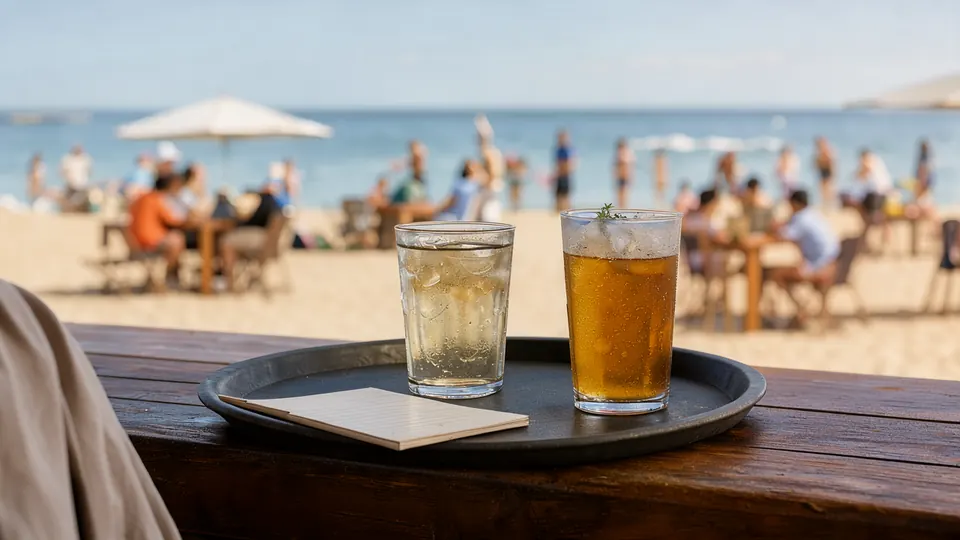
Working a Season on the Bulgarian Coast
Every summer the resorts around Nesebar run on seasonal labour — Bulgarian students, workers from across the region, and a steady number of foreigners who came for a holiday and stayed. It is a real way to spend a summer, and it is sold more romantically than it deserves.
This is what the work is actually like, written for somebody deciding rather than somebody already committed.
The shape of the season
May to September, with the money concentrated in July and August.
Places open around the start of May, some for Orthodox Easter. Staffing ramps through June, peaks for eight weeks, and unwinds through September. By the first week of October most seasonal businesses have closed and the coast is quiet.
That shape matters for planning: a contract that starts in June and ends in September is a real four months, but the earning is lopsided, and anyone budgeting on an average month will be short in June.
The jobs
Bars and restaurants take the most people: waiting, bar work, kitchen, dishwashing. Tips matter more than the base rate in the tourist-facing roles and vary enormously by venue.
Hotels: reception, housekeeping, maintenance, animation. Reception wants languages. Housekeeping is physical work at volume and is the least glamorous and most reliable job on the coast.
Beach operations: sunbeds, watersports, boats. Outdoor, sociable, sun-exposed all day, and generally lower paid than people expect.
Shops and excursions: selling, guiding, transfers. Languages are the whole qualification.
Animation and entertainment is the job people imagine and the one that is hardest on the body — long split shifts, performing all day, and the least private life of any of them.
What makes you employable here
Languages, above everything. Russian and German are worth as much on this coast as English, sometimes more. A person with three languages and no experience will be hired over a person with experience and one.
Availability for the whole season. Employers have been let down by people leaving in mid-August and will favour anyone who can commit to the full run.
Turning up. Said plainly because it is the actual differentiator in a seasonal labour market.
The conditions, honestly
Hours are long. Twelve-hour days through the peak are normal in food service, and six-day weeks are common. Split shifts — morning and evening with the hot middle off — are standard and are more tiring than they sound.
Accommodation is often included, and its quality is the single biggest variable in whether a season is bearable. Shared rooms, staff blocks away from the beach, and variable standards. See it or see photographs before you accept.
Pay is at the Bulgarian scale, not a Western one, and the gap is partly closed by tips and by accommodation being covered. If your plan is to save meaningfully, be realistic about the arithmetic before you travel.
It is not a holiday. The people working here are working while everybody around them is on holiday, at exactly the hours holidaymakers are enjoying themselves. That contrast is the thing most first-timers underestimate.
The paperwork
EU and EEA citizens have the right to work in Bulgaria without a permit, but a stay beyond ninety days requires a registration certificate from the Migration Directorate — for this coast, the regional office in Burgas.
Everyone else needs the appropriate permission before starting work, and that is arranged before arrival, not after. A tourist entry does not convert into a work entitlement, and since Bulgaria joined Schengen fully in January 2025 the ninety-day count is Schengen-wide rather than national, so there is no longer a separate Bulgarian allowance to fall back on.
Get a written contract. Verbal agreements are common in seasonal work here and are where disputes come from — over hours, over final pay, over what "accommodation included" covered.
Questions to ask before accepting
- How many hours a day, how many days a week, and is it split shifts?
- Is accommodation included, where exactly, how many to a room?
- How and when is pay made — weekly, monthly, cash or bank?
- What happens to the last month's pay if I leave early? (This is the most common dispute.)
- Are meals included on shift?
- Who covers the season's end — is there notice, or does the place simply close?
The good part
It is genuinely a way to spend a summer by the sea with people from a dozen countries, learn a language properly rather than academically, and leave with money you did not have. A great many people do one season and come back for a second, which is the most honest review available.
The short version
The money is in July and August, the languages matter more than the experience, and the accommodation decides whether the season is bearable — so see it first. Get the contract in writing, sort your permissions before you arrive, and understand that you will be working at precisely the hours everyone around you is not.
Get local stories & deals
One email a month with the best Black Sea stories and seasonal deals. No spam.