Wine Tours on the Bulgarian Black Sea Coast: A Tasting Guide
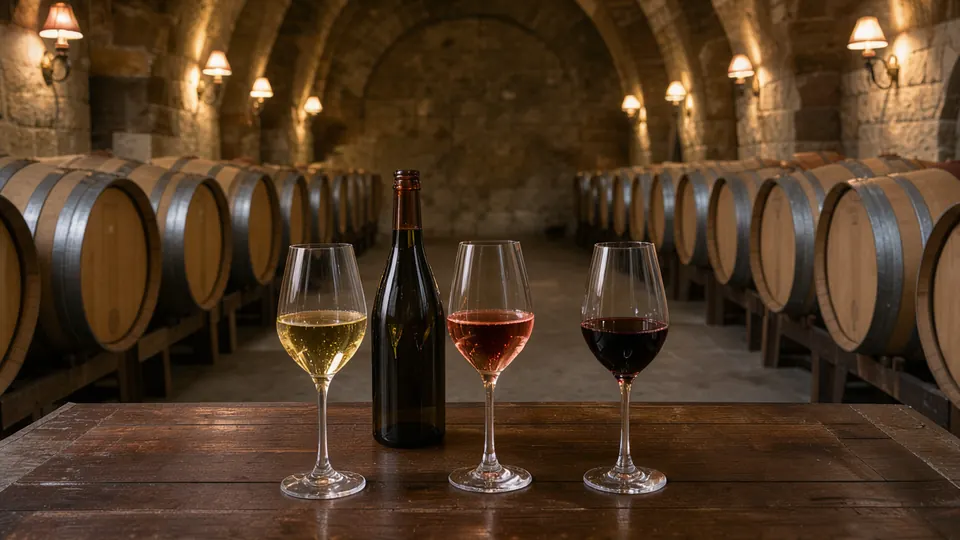
Most visitors come to Nesebar for the beach and leave without realising they were sitting in the middle of one of Bulgaria's oldest and most distinctive wine regions. The Thracians were making wine on this coast three thousand years ago, and today the Black Sea zone produces crisp whites, characterful reds, and the famous sweet and fortified wines of Pomorie. A day among the cellars is one of the most rewarding things you can do here that does not involve sand. This guide explains the region, the grapes, where to taste, what it costs, and how to organise a tour without losing your driving licence.
Why the Black Sea Coast Makes Good Wine
The maritime climate is the secret. The sea moderates the heat, giving warm but not scorching summers, long sunny autumns, and mild winters — ideal for ripening grapes slowly and keeping freshness and acidity in the wine. The Eastern Thracian Lowland and the Black Sea zone are officially recognised wine regions. The result is fresh, aromatic whites and increasingly serious reds, alongside the dessert and brandy tradition that Pomorie built its name on.
The Grapes to Know
Tasting here is more fun if you know what you are drinking. The local stars:
- Dimyat — an ancient white grape native to the region, making fresh, citrusy, easy-drinking whites and the base for much of Pomorie's brandy
- Mavrud — a deep, tannic, spicy red, one of Bulgaria's signature indigenous reds (more associated with Thrace inland but widely available)
- Rubin — a Bulgarian cross of Nebbiolo and Syrah, producing rich, peppery reds
- Melnik (Shiroka Melnishka Loza) — the famous grape of Bulgaria's southwest; you will find it on coastal lists and it is well worth seeking out for its full, leathery character
- Red Misket — an aromatic pink-skinned grape making perfumed, floral whites
- International grapes — Chardonnay, Sauvignon Blanc, Cabernet, Merlot, and Syrah are all grown well here too
Where to Taste: The Wineries and Towns
Pomorie — The Heart of It
Just 18 km from Nesebar (20-30 minutes), Pomorie is the obvious base for coastal wine. It is a peninsula spa town built on a salt lagoon, with a long tradition of dessert wines and brandy. Several producers in and around the town offer tastings and cellar tours. Combine a tasting with the town's salt museum, the monastery of St George, and the mineral-sand beach for a full, varied day. The Black Sea Gold winery is among the historic names associated with the area.
The Burgas Region Estates
West and south of Burgas, modern boutique wineries have planted both local and international varieties on the gentle hills behind the coast. These estates increasingly offer proper wine-tourism experiences — guided tastings, vineyard walks, and lunches paired with their wines. They are best reached by car or on an organised tour, typically 30-60 minutes inland from Nesebar.
Sozopol and the South
The coast toward Sozopol and beyond has small producers and wine bars where you can taste regional wines without a full cellar visit. Pair a Sozopol day trip with a tasting on a shaded terrace overlooking the sea.
How Wine Tours Work Here
There are three ways to do it:
1. Organised Wine Tour (Easiest)
Tour operators in Sunny Beach and Nesebar run guided wine excursions, usually a half or full day visiting one or two wineries with tastings, transport, and a guide included. Expect 30-60 € (30-60 EUR) per person depending on how many wineries and whether lunch is included. This is the stress-free option — someone else drives, and you taste freely. Best for couples and small groups.
2. Private Driver Tour (Most Flexible)
Hire a car with driver for the day and build your own route through two or three estates plus Pomorie town. More expensive (from 75-130 € for the car for a half-day) but entirely tailored to you, and you taste as much as you like. Best for serious enthusiasts and groups who split the cost.
3. Self-Drive with a Designated Driver
The cheapest option if someone in your party will stay sober. Bulgaria has a strict near-zero-tolerance drink-drive limit, rigorously enforced — so the driver genuinely cannot taste. Plan the route, book the tastings ahead, and have the non-drinker do the driving (or use the spitting bucket, which serious tasters do). Best for self-sufficient travellers with a car.
What a Tasting Costs and Includes
A standard cellar tasting typically includes a short tour of the production area and a guided flight of 4-6 wines, sometimes with bread, cheese, and local charcuterie. Prices generally run 10-20 € (10-20 EUR) per person for the tasting itself, more for premium flights or food pairings. Many wineries credit the tasting fee against bottles you buy. Always book ahead in summer — the good cellars are small and fill up.
Price Summary
| Option | Typical cost | What's included |
|---|---|---|
| Standalone tasting | 10-20 €/person | 4-6 wines, cellar tour |
| Organised group tour | 30-60 €/person | Transport, guide, 1-2 wineries, tastings |
| Private driver (half day) | 75-130 €/car | Your own route, you taste freely |
| Food-paired tasting | 20-35 €/person | Wines + local food pairings |
A Suggested Wine Day from Nesebar
- 10:00 — Drive to Pomorie (20-30 min)
- 10:30 — First cellar tour and tasting (book ahead)
- 12:30 — Lunch in Pomorie, or at a winery restaurant, with a glass of local white
- 14:30 — Visit the Pomorie salt museum and the mineral beach to break up the drinking
- 16:00 — Second tasting at a nearby estate, or a wine-bar flight
- 18:00 — Return to Nesebar, or stay for an early seafood dinner on the Pomorie waterfront
Keep it to two cellars; three is too many for a relaxed day and your palate fades. Drink water between tastings and eat properly.
A comfortable base near the wine country can be found at nesebar.net/properties.
Practical Tips
- Book tastings ahead in July-August — the boutique cellars are small
- Never drink and drive — Bulgaria's limit is effectively zero and heavily enforced. Use a driver or designated non-drinker
- Buy a few bottles at the cellar — they are cheaper than in shops and you support the producer. Note customs allowances for your flight home
- Eat first and between tastings — Bulgarian portions are generous; never taste on an empty stomach
- Spring and autumn are lovely for wine tours: the vineyards are green or golden and the cellars are calmer than mid-summer
- September brings the grape harvest (grozdober) — some wineries let visitors watch or take part, a memorable experience
- Try the rakia too — the grape brandy is part of the culture, but it is strong (40%+), so go gently
A Note on Bulgarian Wine Quality
Bulgarian wine was, decades ago, a mass-export commodity. That era is over. The modern industry is built on quality boutique producers reviving indigenous grapes and making genuinely excellent, distinctive wines at prices that astonish visitors used to Western European pricing. A serious bottle that would cost 25-40 EUR in France or Italy often costs 12-20 EUR here. Tasting on the coast is both delicious and remarkable value.
FAQ
Is the Bulgarian Black Sea coast really a wine region?
Yes — officially recognised, with a winemaking tradition going back to the Thracians. The maritime climate suits fresh whites and increasingly serious reds, and Pomorie is famous for dessert wines and brandy.
Which local grapes should I try?
Dimyat (fresh white), Mavrud and Rubin (characterful reds), Melnik (full, leathery red), and Red Misket (aromatic white). Don't miss the indigenous varieties — they are what make the region distinctive.
How much does a wine tour cost?
A standalone cellar tasting runs 10-20 € per person; an organised group tour with transport and guide is 30-60 €; a private driver for a half-day is 75-130 € for the car.
Can I drive myself between wineries?
Only with a designated non-drinking driver. Bulgaria enforces a near-zero drink-drive limit strictly. Most visitors prefer an organised tour or a hired driver so everyone can taste.
Where is the best place to taste near Nesebar?
Pomorie, just 18 km away, is the closest and most historic wine town, with cellars, a salt museum, and a relaxed seaside setting. The Burgas-region boutique estates are excellent too, a little further inland.
When is the best time for a wine tour?
Late spring and early autumn are ideal — pleasant weather, beautiful vineyards, and calmer cellars than peak summer. September coincides with the harvest, which some wineries open to visitors.
Get local stories & deals
One email a month with the best Black Sea stories and seasonal deals. No spam.