The Orthodox Calendar on the Coast: Name Days, Fasting and What Closes When
The Orthodox Calendar on the Coast
Nesebar has more churches per square metre than almost anywhere in Europe, and a visitor naturally reads them as monuments. Most of them are. But the calendar those churches belong to is still running, and it shapes ordinary life here in ways that catch people out.
Name days matter more than birthdays
This is the single most useful thing to know.
Bulgarians celebrate имен ден — the feast day of the saint they are named after — and in many families it is the bigger occasion. You do not need an invitation: the tradition is that people come to you, and the person celebrating provides the food.
Some of the big ones fall in the tourist season or at its edges. Nikulden, 6 December, honours Saint Nicholas, patron of sailors and fishermen, and on a coast like this it is a serious day — the traditional dish is stuffed carp, and it is everywhere. Gergyovden, 6 May, is Saint George's day, army day and the start of the shepherd's year, marked with roast lamb.
If somebody tells you it is their name day, the correct response is честит имен ден and, if you are offered food, to accept it.
The Assumption, 15 August
For Nesebar specifically this is the day that matters. Успение Богородично — the Dormition of the Mother of God — on 15 August is the town's holiday, and the one functioning church on the peninsula is dedicated to it.
It falls in the middle of the busiest fortnight of the year, which makes it an unusual collision of a religious observance and peak tourist season in a very small space. If you are here for it, the Old Town is both fuller and more interesting than usual.
Fasting, and why it is useful to you
The Orthodox calendar has long fasting periods — the weeks before Easter and before Christmas are the major ones — during which believers eat no meat, dairy or eggs.
This produced an entire category of Bulgarian cooking called постно, and it is, in practice, close to vegan. During fasting periods many restaurants run a dedicated postno section.
The practical value for a visitor is the word itself. Asking for нещо постно is understood everywhere, by every cook, unlike foreign dietary vocabulary. We have a separate guide on eating vegetarian and vegan here, and this word is the centre of it.
Easter is the big one
Bulgarian Easter — Великден — is the largest religious holiday of the year, bigger than Christmas, and it moves: it follows the Orthodox calculation and often falls a week or several weeks after Western Easter.
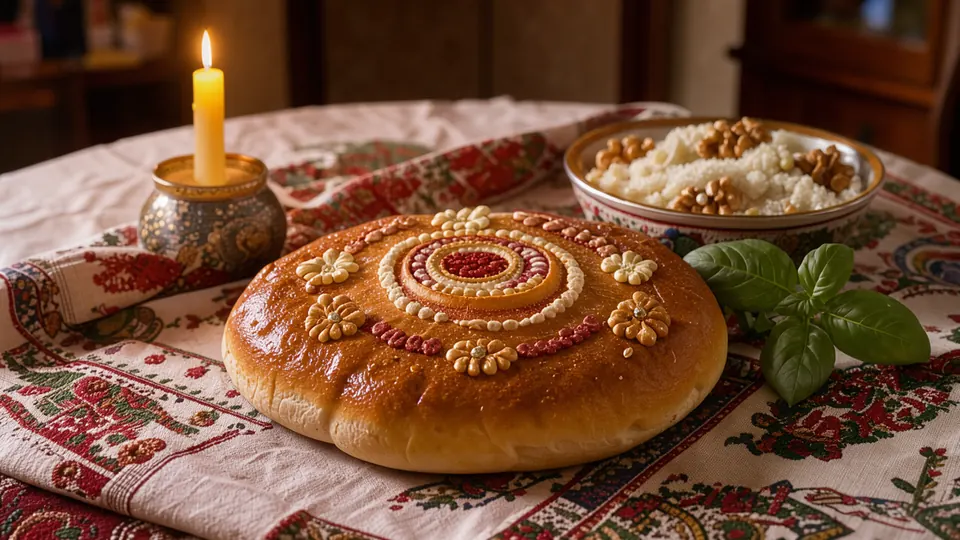
If you are travelling around then, check the Orthodox date rather than assuming. Practically it means red-dyed eggs, a bread called козунак, a late-night service on the Saturday, and much of the country not working on the Monday.
For the coast it also often marks the start of the season — some places open for Easter and stay open.
Church etiquette
The working church on the peninsula is a parish, not an exhibit. Elsewhere in town and in Burgas the same applies.
Cover your shoulders; women often cover their heads, and a scarf is usually available at the door. Do not photograph a service. Do not walk in front of the iconostasis. If a service is in progress and you came to look, come back later.
Candles are sold inside: the upper stand is for the living, the lower for the dead. Nobody will mind if you get it wrong, but people do notice.
What actually closes
Bulgaria's public holidays are a mix of Orthodox and civil dates. 1 January, 3 March, Easter Friday to Monday, 1 May, 6 May, 24 May, 6 September, 22 September, 24–26 December are the main ones.
In a resort town in season, restaurants and shops largely work through them. What closes is the administrative world: banks, municipal offices, post offices, and anything involving a state institution. If your holiday includes paperwork, check the calendar first.
The short version
Learn постно if you do not eat meat, and честит имен ден if somebody mentions their saint. Remember 15 August is Nesebar's own day and the peninsula will be full. Check the Orthodox Easter date rather than the one you are used to. And treat the working church as a church.
Get local stories & deals
One email a month with the best Black Sea stories and seasonal deals. No spam.