The Living Museum: Navigating the Challenges of Preserving UNESCO Nessebar
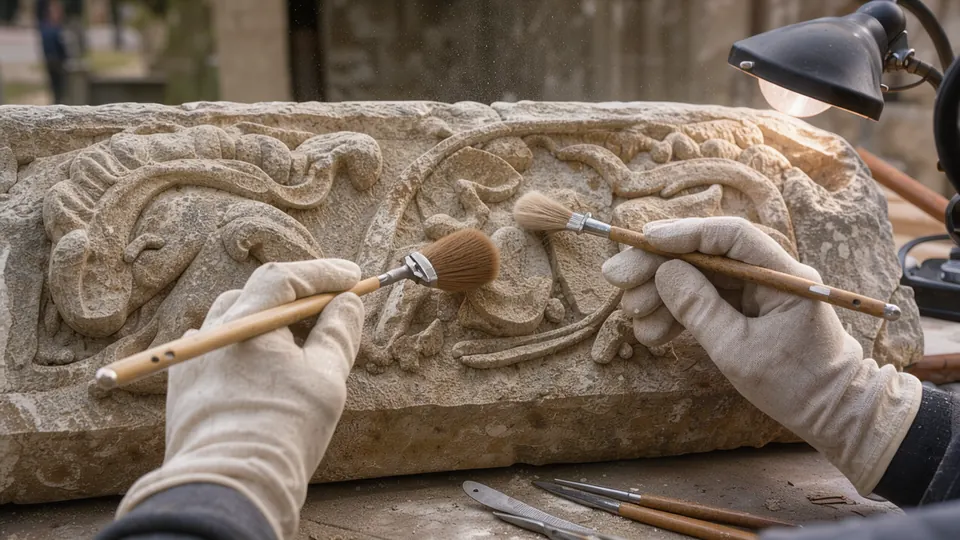
A Double-Edged Sword: The Prestige and Pressure of a World Heritage Site
In 1983, Nessebar was inscribed on the UNESCO World Heritage List, a prestigious recognition of its "outstanding universal value." For over three millennia, this small, rocky peninsula has been a crucible of civilizations, bearing the tangible marks of Thracians, Greeks, Romans, Byzantines, and Bulgarians. Its dense collection of medieval churches, unique National Revival architecture, and archaeological layers make it a veritable open-air museum. This designation brought global attention, investment, and a flourishing tourism industry that is the lifeblood of the local economy. Yet, this coveted status is a double-edged sword, presenting a constant, complex challenge: how to preserve the fragile fabric of a living, breathing town while accommodating the pressures of the 21st century.
The UNESCO inscription is not merely an honorary title; it comes with a strict set of obligations for conservation and management. The goal is to protect the city’s authenticity and integrity, ensuring that the very qualities that earned it its place on the list are not eroded by the forces of modernity or the sheer volume of its admirers. For Nessebar, this means navigating a delicate tightrope walk. On one side is the need to maintain the ancient street plan, protect the ruins, and conserve the historic buildings. On the other side are the needs of its permanent residents, the demands of a seasonal economy reliant on tourism, and the inevitable creep of modern infrastructure. This tension is palpable everywhere, from the meticulously restored church facades to the discreetly hidden air conditioning units, and it defines the daily reality of life and governance on the peninsula.
The Battle Against Modernity: Regulations, Renovations, and Red Tape
Living or owning property in Nessebar's Old Town is unlike anywhere else on the Bulgarian coast. It means being a custodian of history, a role governed by a formidable set of rules enforced by Bulgaria's National Institute for Immovable Cultural Heritage (NINKN), in line with UNESCO's operational guidelines. Any intervention, from fixing a leaky roof to a full-scale renovation, is subject to a rigorous and often lengthy approval process. The primary principle is that any new work must be reversible and must not compromise the historical integrity of the structure.
For homeowners, this translates into a series of practical and financial hurdles. Want to replace old wooden window frames? You must use a specific type of wood, crafted in the traditional style, often at a cost several times that of standard PVC windows, which are strictly forbidden on historic facades. Planning to repaint your house? The colour palette is restricted to a range of tones historically appropriate for the National Revival style. Even the type of roof tiles is regulated; the old Ottoman-style tiles ('keremidi') must be used, and finding authentic replacements can be a challenge. Air conditioning units, a modern necessity in the sweltering Black Sea summer, cannot be mounted on street-facing walls, leading to creative and sometimes costly solutions to hide them from view. These regulations are essential for preserving the town's unique visual character, but they place a significant burden on residents, turning simple home maintenance into a complex heritage project. The process can take months, even years, of submitting architectural plans and waiting for approvals, a source of constant frustration for those trying to make a modern home within ancient walls.
Tourism's Footprint: Managing the Crowds and Commercialization
Each summer, Nessebar's narrow cobblestone streets transform from quiet historical alleys into bustling thoroughfares, thronged by hundreds of thousands of visitors from nearby Sunny Beach and around the world. While tourism is the town's economic engine, this annual influx leaves an indelible footprint. The sheer foot traffic causes significant wear and tear on the ancient 'kaldarami' cobblestones, some of which have been in place for centuries. The strain on infrastructure is immense, with the town's water, sewage, and waste management systems pushed to their limits during the peak season from June to August.
Beyond the physical impact, there is the ever-present challenge of managing commercialization. The ground floors of many historic houses have been converted into souvenir shops, art galleries, and restaurants. While this provides income, it also risks creating a 'façade' town, where the authentic residential character is overshadowed by commercial interests. Municipal authorities and heritage bodies grapple with how to regulate this. There are rules concerning the size and style of signage, the types of goods that can be sold on the street, and the placement of outdoor seating for restaurants. The goal is to prevent the peninsula from losing its soul and becoming a sterile tourist theme park. This debate over authenticity is ongoing. Is the street artist painting seascapes a vibrant part of the local culture, or a commercial enterprise cluttering a historic view? Is another pizza restaurant a welcome amenity for tourists, or a step away from the town's traditional character? Finding the right balance is a perpetual task for Nessebar's planners.
A Town for All Seasons, or Just for Summer? The Resident's Perspective
While tourists see a picture-perfect historic town, for the few hundred people who call the Old Town of Nessebar their year-round home, the reality is more nuanced. Life is dictated by the dramatic shift between the frenetic summer season and the profound quiet of winter. During the summer, residents contend with constant noise, crowded streets that make simple errands a challenge, and a near-total lack of parking for their own vehicles, as every available space is occupied by visitors. Basic amenities are also geared towards tourists; there are no large supermarkets on the peninsula, forcing residents to travel to the new town for regular grocery shopping.
Come October, the transformation is stark. The crowds vanish, the shutters go down on most shops and restaurants, and an almost melancholic tranquility descends. For many residents, this is the best time of year. They reclaim their town, and a strong, close-knit community spirit emerges. Neighbours gather in the few open cafes, fishermen mend their nets in the harbour without an audience, and the sound of the sea replaces the buzz of tourists. However, this off-season quiet also brings challenges, including reduced services and a sense of isolation. This dual existence—living in a bustling international resort for three months and a quiet, semi-deserted village for the rest of the year—is the defining characteristic of life for Nessebar's permanent residents. They are the true guardians of the town, weathering the storms, both literal and metaphorical, to keep its spirit alive when the visitors have gone home.
Charting the Future: Sustainable Solutions and Protecting the Legacy
The future of Nessebar depends on finding sustainable ways to manage the pressures it faces. This is a collaborative effort involving the municipality of Nessebar, national heritage institutions, and the local community. Significant investments have been made in recent years, not all of them visible to the average tourist. Projects to reinforce the peninsula's coastline against sea erosion are ongoing, a critical effort to protect the very land upon which the town is built. There are cyclical restoration programs for the cobblestone streets, where damaged sections are carefully repaired using traditional methods.
Looking ahead, the focus is increasingly on sustainable tourism. This includes promoting the town as a year-round destination, highlighting its cultural and historical significance beyond the summer beach season. Efforts are being made to encourage cultural tourism that is less impactful than mass-market excursions. This could involve developing more specialized historical tours, promoting the archaeological museum more effectively, and supporting local artisans who practice traditional crafts. Digital technologies are also playing a role, with virtual tours and better information systems helping to manage visitor flow and provide deeper context to the sites. Ultimately, the preservation of Nessebar is not about freezing it in time. It's about ensuring that it can continue to evolve as a living community while safeguarding the extraordinary legacy of its past. The challenge is immense, but the commitment of its people to their unique home ensures that this jewel of the Black Sea will continue to shine for generations to come.
Get local stories & deals
One email a month with the best Black Sea stories and seasonal deals. No spam.