The Humble Saint: Discovering Nessebar's Church of St. Clement
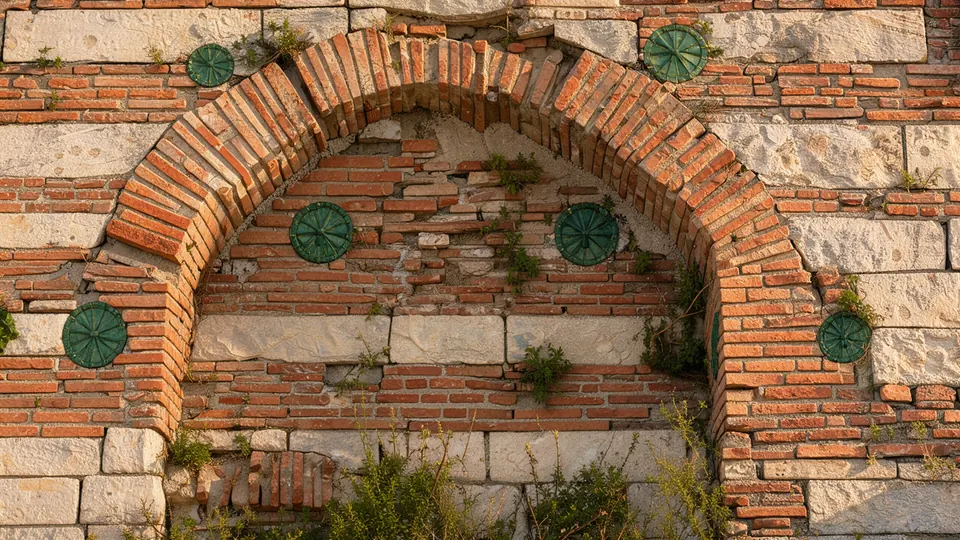
Tucked away from the main thoroughfares of Nessebar's Old Town, the Church of St. Clement offers a quiet yet profound glimpse into the city's spiritual past. Unlike its more grandiose neighbours, this small, unassuming church is dedicated to one of Bulgaria's most revered saints, St. Clement of Ohrid, a disciple of Saints Cyril and Methodius. For visitors seeking to connect with the deeper layers of Nessebar's history, beyond the well-trodden paths, St. Clement's provides a moment of serene reflection and a link to the very foundations of Bulgarian literary and religious culture.
Built in the 17th century, the church stands on the foundations of a much earlier basilica, a common practice in Nessebar that layers centuries of faith upon one another. The dedication to St. Clement is particularly significant, as he was a pivotal figure in the First Bulgarian Empire during the late 9th and early 10th centuries. His work in establishing educational and religious centers, particularly the Ohrid Literary School, was instrumental in cementing the Cyrillic script and the Slavonic liturgy, safeguarding Bulgarian cultural identity. The existence of this church signifies the enduring reverence for this national saint through centuries of change.
The architecture of the Church of St. Clement is a testament to the conditions of its time. Constructed during the Ottoman period, it is a modest, single-nave basilica with a single apse, built from a mixture of stone and brick. Christian places of worship built during this era were often intentionally small and lacked exterior grandeur to avoid attracting unwanted attention. Despite its simple form, the craftsmanship speaks to the community's dedication to preserving its faith, channeling its resources into function and sacred purpose rather than outward display.
Today, the Church of St. Clement has been partially restored and stands as a protected monument of culture. Although no longer an active place of worship, it occasionally hosts art exhibitions, its ancient walls providing a poignant backdrop for contemporary works. Visiting this humble sanctuary offers a powerful counterpoint to the larger, more ornate churches of Nessebar. It serves as a touching reminder that the strength of a city's heritage lies not only in its magnificent monuments but also in its quiet, resilient places of faith that have steadfastly weathered the tides of history.
Get local stories & deals
One email a month with the best Black Sea stories and seasonal deals. No spam.