The Ethnographic Museum: Life in Old Nessebar
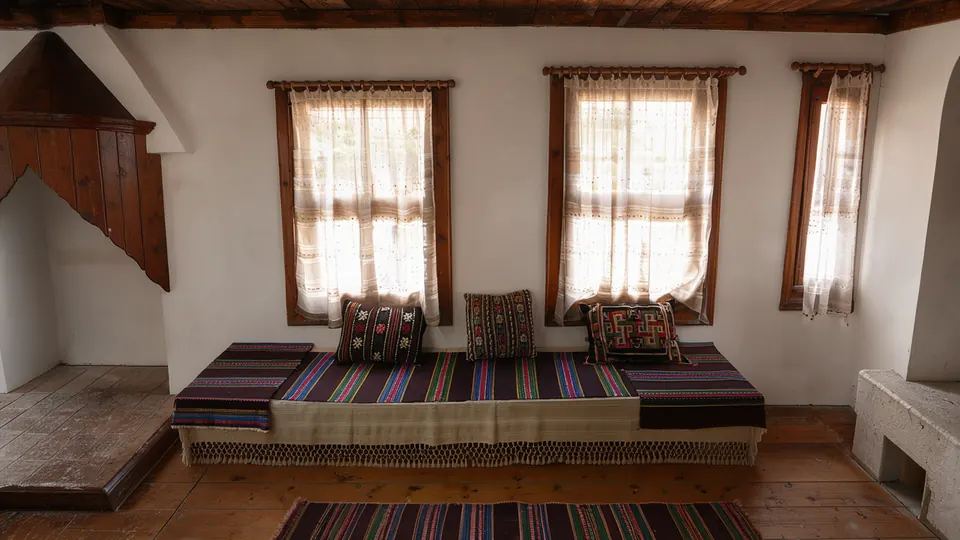
The Ethnographic Museum of Nessebar, housed in the beautifully restored Moskoyani House from the late 19th century, offers a fascinating window into the everyday life of Nessebar's inhabitants during the National Revival period. This charming museum is itself an exhibit, as the building perfectly exemplifies the traditional Black Sea coastal architecture that gives the Old Town so much of its character. To step inside is to enter the home of a prosperous Nessebar family of the 1800s, with its rooms, furnishings, and objects arranged much as they would have been when the house was lived in.
The Moskoyani House as a Living Exhibit
The Moskoyani House is a classic example of the Revival-period Nessebar dwelling, and the museum makes a virtue of its setting by allowing the building and its contents to tell a single, unified story. Where the Archaeological Museum presents the deep antiquity of the town, the Ethnographic Museum focuses on the more recent past — the world of fishermen, winemakers, craftsmen, and the families who lived above their workshops. The two-story plan of the house, with its stone lower level and timber-built upper floor, is itself a lesson in how Nessebar's people built and lived.
The Ground Floor: Work and Storage
The museum's ground floor, built of solid stone, recreates a traditional workshop and storage area. Here, visitors can see the tools and equipment used by Nessebar's fishermen, winemakers, and craftsmen. Large clay vessels (pithari), fishing nets, wine presses, and carpentry tools tell the story of the practical skills that sustained the community. The great pithari, half-buried in cool storerooms, once held wine, oil, and grain; the nets recall a town that lived from the sea; and the presses and tools speak of the local trades that kept families fed and clothed long before the arrival of tourism.
This arrangement also reflects the economic logic of the Nessebar house itself. In a town where space was scarce and most families combined a trade with their domestic life, it made sense to keep the working part of the home on the durable stone ground floor, close to the street and easy to load and unload. Fishing, viticulture, and wine-making were among the mainstays of the local economy, and the objects gathered here put a human face on those occupations, reminding visitors that the picturesque old houses they admire today were once busy places of work.
The Upper Floor: Home and Family
The upper floor, accessed by a wooden staircase, contains the living quarters furnished with period furniture, textiles, and household items. This is where the family's daily and social life unfolded, in rooms that the timber construction allowed to be bright and generously windowed. The rooms are decorated with handwoven rugs, embroidered curtains, and ornamental pottery, reflecting the aesthetic sensibilities of 19th-century Nessebar families.
Costumes and Craftsmanship
Traditional costumes from the region are displayed in glass cases, showcasing the intricate needlework and bold color combinations favored by local women. These garments were not merely clothing but expressions of skill, status, and local identity, with embroidery patterns and color choices that distinguished the dress of the region. The handwoven rugs and embroidered textiles on display reveal the same care, turning the everyday objects of the household into works of folk art.
Weddings, Rituals, and the Cycle of Life
A special section of the museum is dedicated to traditional wedding customs and ceremonies, with displays of bridal costumes, dowry items, and ritual objects. These exhibits reveal the rich social traditions that governed life in Nessebar, from birth to marriage to death, connecting visitors with the human stories behind the old stone and wooden walls. The bridal costumes and dowry chests in particular bring to life the ceremonies that marked the most important passages of a family's life, when the whole community gathered to celebrate. A dowry was far more than a collection of household goods; the textiles, embroidery, and woven pieces a young woman brought to her marriage represented years of careful work and stood as a visible measure of her skill and her family's standing. Displayed together, these objects reveal how closely craft, ceremony, and social identity were bound together in the life of old Nessebar.
What Visitors Can See Today
Today the Ethnographic Museum offers one of the most intimate experiences in Nessebar. Visitors can climb the original wooden staircase, move through the recreated workshop and living rooms, and study the costumes, textiles, and ritual objects at close range, all within a genuine Revival-period house. A modest entrance fee of around five to six leva typically applies, with reduced rates often available for students, and the museum is generally open through the main visitor season. As with the town's other museums, it is wise to confirm current hours before a visit, especially outside the summer months.
Because it occupies one of the finest old houses in the Old Town, the Ethnographic Museum also serves as the perfect introduction to Nessebar's Revival-period architecture, which visitors can then admire all around them as they walk the historic streets. Having seen how the two floors were used and furnished, a visitor reads the surrounding houses differently: the stone bases, the projecting upper rooms, and the carved details all become signs of a way of life rather than mere ornament.
The museum is also a welcome counterpoint to Nessebar's ancient monuments. Where the churches and the Archaeological Museum reach back across millennia, the Ethnographic Museum speaks of the recent, tangible past of families whose descendants still live in the region, lending a sense of intimacy and continuity to the long history of the town.
Frequently Asked Questions
Where is the Ethnographic Museum of Nessebar located?
It is housed in the Moskoyani House, a beautifully restored Nessebar dwelling from the late 19th century, in the Old Town.
What can visitors see on the ground floor?
The stone-built ground floor recreates a traditional workshop and storage area, with large clay vessels (pithari), fishing nets, wine presses, and carpentry tools used by Nessebar's fishermen, winemakers, and craftsmen.
What is displayed on the upper floor?
The timber-built upper floor contains the living quarters, furnished with period furniture, handwoven rugs, embroidered textiles, ornamental pottery, and traditional regional costumes in glass cases.
Is there a section on local customs?
Yes. A special section is devoted to traditional wedding customs and ceremonies, with bridal costumes, dowry items, and ritual objects that illustrate the social traditions surrounding birth, marriage, and death.
How much does it cost to visit?
A modest entrance fee of around five to six leva typically applies, often with reduced rates for students; check current prices and opening hours before visiting, especially out of season.
Step into the everyday world of old Nessebar and the rest of its heritage when you plan a stay in Nessebar.
Get local stories & deals
One email a month with the best Black Sea stories and seasonal deals. No spam.