Sustainable Tourism in Nesebar — How to Visit Responsibly
Protecting Nesebar for Future Generations
Nesebar's UNESCO World Heritage status recognizes its outstanding universal value — but popularity brings challenges. Mass tourism threatens the very character that makes the town special. As visitors, we have the power to help preserve Nesebar's heritage, environment, and community. Here's how to enjoy your visit while leaving a positive impact.
The Challenges
Nesebar faces several sustainability pressures:
- Overtourism in Old Town: Peak summer days see thousands of visitors crowding narrow streets designed for a few hundred residents. This strains infrastructure and degrades the visitor experience.
- Beach pollution: Plastic waste, cigarette butts, and sunscreen chemicals affect water quality and marine life.
- Commercialization: Rising rents from tourist revenue push out traditional shops and residents, replacing them with souvenir stores and restaurants.
- Construction pressure: The demand for tourist accommodation drives development that sometimes conflicts with heritage preservation.
Visit During Shoulder Season
One of the most impactful choices you can make is timing:
- Late May to mid-June: Warm enough for beaches, the town is green and blooming, and you'll share the Old Town with a fraction of peak-season visitors.
- September: The sea is at its warmest (25-26C), crowds thin dramatically after September 1st when European school holidays end, and prices drop 30-50%.
- October: Too cool for swimming for most, but perfect for exploring the Old Town, churches, and surrounding nature. Hotel prices at their lowest.
Reduce Your Environmental Impact
On the Beach
- Reef-safe sunscreen: Standard sunscreens contain oxybenzone and octinoxate, which damage marine ecosystems. Choose mineral-based sunscreens with zinc oxide or titanium dioxide.
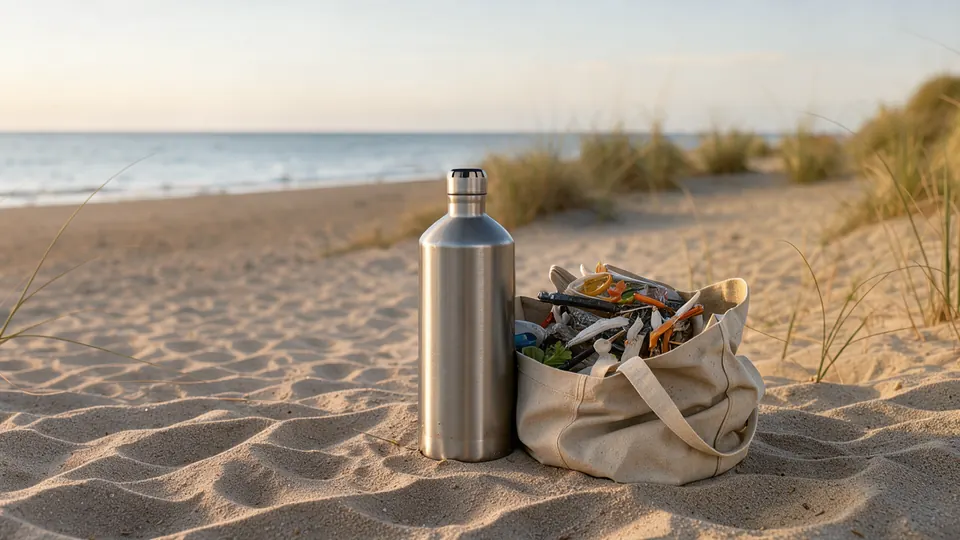
- Leave no trace: Take everything you bring — especially plastic bottles, food wrappers, and cigarette butts. Better yet, bring a reusable bag for collecting any litter you find.
- Skip single-use plastic: Bring a refillable water bottle. Nesebar's tap water is safe to drink. Many restaurants will refill your bottle on request.
Transportation
- Walk or cycle: Old Nesebar is small enough to explore entirely on foot. Rent a bicycle for trips to Sunny Beach or Ravda — it's flat terrain and well-suited for cycling.
- Public transport: Regular buses connect Nesebar to nearby towns. More environmentally friendly than individual car trips.
- Share rides: If driving, pick up hitchhikers (common and safe in Bulgaria) or use rideshare apps.
Support the Local Economy
Eat Local
- Choose Bulgarian-owned restaurants: Your money stays in the local economy rather than flowing to international chains. Ask locals for recommendations — they know the authentic spots.
- Eat seasonal and local food: Bulgarian tomatoes in summer, fresh fish from local fishermen, cheese from nearby dairies. Every meal sourced locally reduces transport emissions.
- Try the market: The farmers' market in New Nesebar sells locally grown produce at fair prices. It's also a great cultural experience.
Shop Responsibly
- Buy from artisans: Handmade pottery, textiles, and woodwork from local craftspeople — not mass-produced souvenirs imported from China.
- Avoid wildlife products: Some shops sell seashells, dried seahorses, or other marine souvenirs. Don't buy them — they contribute to ecosystem damage.
Stay Local
- Guesthouses over chains: Family-run accommodation puts money directly into local hands. You'll also get a more authentic experience and insider tips.
- Extended stays: Staying longer in one place is more sustainable than hopping between destinations. A week in Nesebar creates less environmental impact per day than a rushed 2-day visit.
Respect the Heritage
- Don't touch ancient walls: Oils from skin accelerate stone deterioration. The walls have survived 3,000 years — help them survive another 3,000.
- Stay on paths: Walking on archaeological sites, climbing on ruins, or sitting on ancient walls causes cumulative damage.
- Photography ethics: Ask before photographing people, especially locals going about their daily lives. Respect "no photography" signs in churches.
- Noise: The Old Town has residents — keep noise reasonable, especially in the evening when passing through residential areas.
Give Back
- Beach cleanups: Occasional organized beach cleanups happen in Nesebar — check local Facebook groups or ask at the tourist information center. Even an informal 10-minute cleanup makes a difference.
- Leave reviews: Positive reviews for local businesses, especially authentic restaurants and craft shops, help them compete against touristy establishments.
- Learn a few Bulgarian words: "Mersi" (thanks), "molya" (please), and "zdravei" (hello) show respect for the culture. Locals genuinely appreciate the effort.
The Future of Nesebar Tourism
Nesebar's greatest asset is its authenticity — the living blend of ancient heritage and modern Mediterranean life. Every visitor who chooses sustainability over convenience helps preserve this character. The town that has survived 3,000 years of empires, wars, and natural disasters deserves visitors who care about its next 3,000.
Get local stories & deals
One email a month with the best Black Sea stories and seasonal deals. No spam.