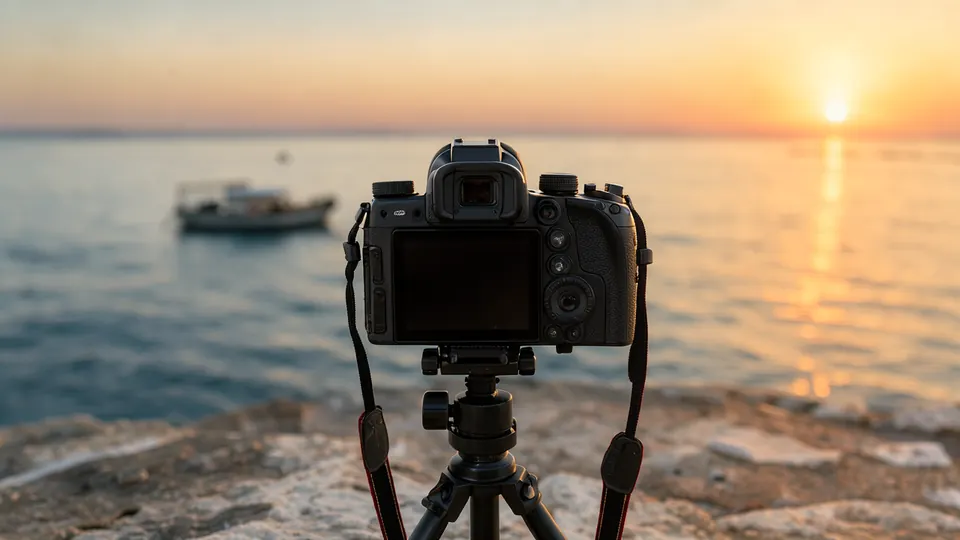
Nessebar is a photographer's paradise, offering an extraordinary variety of subjects within a compact area. From ancient stone walls bathed in golden light to dramatic seascapes and charming cobblestone streets, the old town provides endless opportunities for stunning images. Whether you shoot on a professional mirrorless camera or simply on your phone, this UNESCO peninsula rewards anyone willing to be out at the right hour and in the right spot.
When to Shoot: The Golden Hours
The best time for photography is during the golden hours — the first hour after sunrise and the last hour before sunset. At these times, the warm light brings out the rich textures of the medieval stone and wooden architecture, creating long shadows that add depth and drama to your compositions. The southeastern orientation of the peninsula means that sunrise shots are particularly spectacular, with the sun rising straight out of the open sea behind the old churches.
Midday light (roughly 11:00-16:00) is harsh and flat, washing out colours and casting unflattering overhead shadows. Use these hours to scout locations, eat, and rest, then return when the light softens. The "blue hour" — the 20-30 minutes after sunset — is also magical for the harbour and the lit windows of the old houses.
Key Locations for Photographers
The old windmill at the peninsula entrance
The wooden windmill on the isthmus is the most iconic image in Nessebar. Photograph it as a silhouette against the sunrise for a postcard shot, or in the soft side-light of late afternoon. Arrive 20-30 minutes before sunrise to set up and catch the changing sky.
The Church of Christ Pantocrator
This 13th-14th-century church, with its distinctive red-brick and white-stone facade, is best photographed in late-afternoon light, when the warm sun saturates the brickwork. The decorative patterns on the eastern and southern walls come alive at this hour.
The narrow cobblestone streets of the Old Town
These come alive with colour and character in the early morning, before the tourists and the day-trippers arrive. Shoot between 06:30 and 08:30 for empty streets, soft light, and the chance to capture the wooden Revival-period houses with their overhanging upper floors. Look up — the carved eaves and the laundry lines strung between houses make wonderful frames.
The old harbour
Early morning (06:00-08:00) is ideal for the fishing boats, the reflections in the still water, and the fishermen mending their nets. The eastern light catches the boats beautifully.
Seascape Photography
For seascapes, the rocky shores on the south side of the peninsula offer dramatic wave action during windy weather — bring a fast shutter speed to freeze the spray, or a longer exposure with a tripod and an ND filter to render the water silky and soft. The calm waters of the northern bay, by contrast, provide mirror-like reflections during still evenings, perfect for symmetrical compositions of the town and sky.
Practical Tips and Gear
- Bring a tripod for sunrise, blue hour and long-exposure seascapes.
- A wide-angle lens captures the narrow streets and the sweep of the fortification walls; a short telephoto isolates architectural details and church facades.
- A polarising filter cuts glare off the sea and deepens the blue of the sky.
- Shoot in RAW if you can, to recover the bright skies and shadowed alleys in editing.
- Protect your gear from salt spray on the rocky south shore; carry a microfibre cloth.
- Respect people and worshippers. Some churches restrict interior photography or charge a small fee; always ask before photographing locals.
- Pack light and wear good shoes — the cobblestones are uneven and you will walk a lot.
A short stay right in the Old Town puts you on the cobblestones at first light, before anyone else. Browse atmospheric apartments at nesebar.net/apartments/nesebar or the full inventory at nesebar.net/properties, and read more about the destination at nesebar.net/destinations/nesebar.
FAQ
What is the best time of day to photograph Nessebar?
The golden hours — the first hour after sunrise and the last hour before sunset — give the warmest light and the longest, most dramatic shadows. Sunrise is especially spectacular because the peninsula faces southeast.
Where is the best spot for a classic Nessebar photo?
The old wooden windmill at the entrance to the peninsula, shot as a silhouette against the sunrise, is the signature image. The Church of Christ Pantocrator in late-afternoon light is a close second.
When should I shoot the old streets without crowds?
Between roughly 06:30 and 08:30 in the morning, before tourists and day-trippers arrive. The light is soft and the cobblestone alleys are empty.
What gear should I bring?
A tripod for sunrise and long exposures, a wide-angle lens for streets and walls, a short telephoto for details, and a polarising filter for the sea and sky. Shooting in RAW helps balance bright skies with shadowed alleys.
Where do I get the best seascapes?
The rocky south shore for dramatic waves in windy weather, and the calm northern bay for mirror-like reflections on still evenings.
Get local stories & deals
One email a month with the best Black Sea stories and seasonal deals. No spam.