Bulgarian Yogurt — The World-Famous Superfood Born in Bulgaria
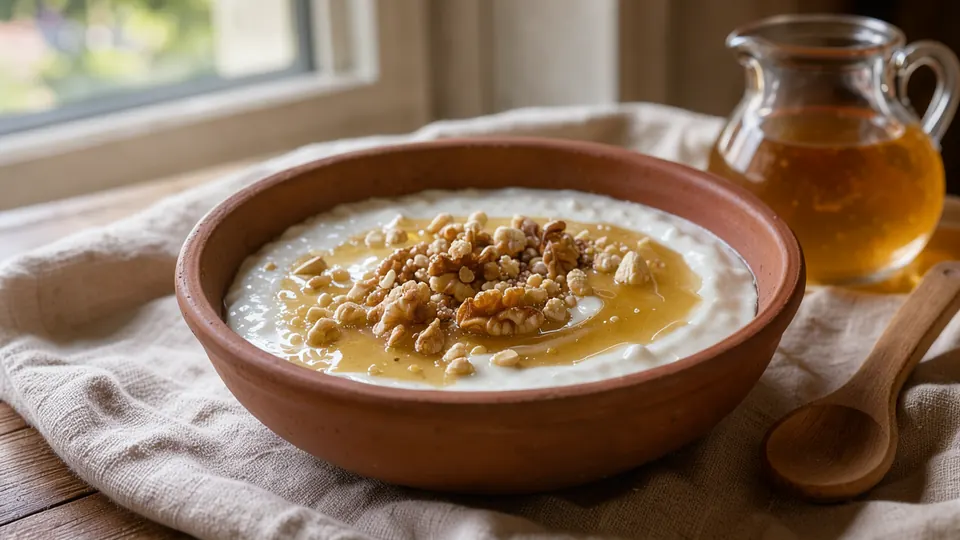
A National Treasure in a Cup
Bulgarian yogurt (kiselo mlyako) isn't just food — it's a source of national pride, a scientific discovery, and arguably Bulgaria's greatest contribution to world cuisine. If you're visiting Nesebar, understanding and tasting authentic Bulgarian yogurt is an essential cultural experience.
The Science Behind the Legend
In 1905, Bulgarian scientist Dr. Stamen Grigorov identified the specific bacterium responsible for Bulgarian yogurt's unique taste and health properties. He named it Lactobacillus bulgaricus — literally "Bulgarian milk bacterium." This discovery put Bulgaria on the scientific map and established the country's yogurt as genuinely unique.
What Makes It Special
- Lactobacillus bulgaricus: This bacteria thrives naturally only in Bulgarian air and soil. Combined with Streptococcus thermophilus, it creates yogurt with a distinctive tangy flavor and thick, creamy texture.
- Probiotic powerhouse: Bulgarian yogurt contains significantly more live active cultures than most commercial yogurts, supporting gut health, immunity, and digestion.
- The longevity connection: Bulgaria has one of the highest concentrations of centenarians in Europe. While many factors contribute, daily yogurt consumption is widely cited. Russian Nobel laureate Ilya Mechnikov studied Bulgarian villagers in the early 1900s and attributed their longevity partly to yogurt consumption.
Types of Bulgarian Yogurt
- Kiselo mlyako (кисело мляко): Classic Bulgarian yogurt made from cow's milk. Thick, tangy, and creamy. Available in every shop from 0,5-1,5 € for 400g.
- Ovche kiselo mlyako (овче кисело мляко): Sheep's milk yogurt — richer, creamier, and more intensely flavored. Considered the premium option. Higher fat content (6-8% vs 3.6% for cow's milk). Slightly more expensive but worth trying.
- Kozе mlyako (козе мляко): Goat's milk yogurt — lighter and tangier. Good for those with mild cow's milk sensitivities (though not for lactose intolerance).
- Tsedeno kiselo mlyako (цедено): Strained yogurt — thicker, similar to Greek yogurt but with the Bulgarian bacterial culture. Used in cooking and as a base for cold soups.
How Bulgarians Eat Yogurt
Daily Staples
- Straight from the container: The most common way — a bowl of cold yogurt, sometimes with sugar or honey, eaten as breakfast, snack, or dessert.
- With banitsa: The classic Bulgarian breakfast combo — warm cheese pastry with cold yogurt on the side.
- Tarator (таратор): Cold cucumber-yogurt soup — Bulgaria's answer to gazpacho. Made with strained yogurt, cucumbers, garlic, dill, walnuts, and cold water. Essential on hot summer days.
- Snezhanka: Yogurt-cucumber-garlic dip (thicker than tarator, similar to tzatziki).
- Ayran (айрян): Diluted yogurt drink — yogurt mixed with water and salt. Incredibly refreshing in summer heat.
In Cooking
- Marinades for grilled meats (the acids tenderize naturally)
- Base for cold sauces served with fish
- Mixed into doughs for softer bread
- Desserts — yogurt cake (млечна торта) is a Bulgarian classic
Where to Try the Best Yogurt in Nesebar
- Any supermarket: Look for brands like LB Bulgaricum (лб Булгарикум), which specifically uses authenticated L. bulgaricus cultures. The packaging shows the live culture count — higher is better.
- Farmers' markets: Homemade yogurt from local farmers in New Nesebar's market. Often sold in glass jars — the freshest and most authentic option.
- Traditional restaurants: Order tarator as a starter or ask for yogurt as a side dish. Some mehanas (taverns) make their own.
- Dairy shops (млекарница): Specialized shops sell fresh dairy products including same-day yogurt, ayran, and fresh white cheese.
Bringing Yogurt Home
You can't easily bring fresh yogurt across borders (dairy import restrictions), but you can:
- Buy dried Bulgarian yogurt starter cultures from specialty shops or online. These contain the authentic L. bulgaricus and can be used to make Bulgarian yogurt at home repeatedly — each batch provides starter for the next.
- Look for "Bulgarian yogurt" or "contains L. bulgaricus" labels in your home country's stores. Note: most "Bulgarian-style" yogurts abroad use different bacteria and don't taste the same.
Fun Facts
- Japanese astronauts took Bulgarian yogurt culture to the International Space Station to study its behavior in space
- Bulgaria exports L. bulgaricus starter cultures to yogurt manufacturers worldwide
- The European Court of Justice ruled that the term "Bulgarian yogurt" can only be used for yogurt containing authentic L. bulgaricus cultures
- Bulgarians consume an average of 30 kg of yogurt per person per year — among the highest rates globally
Get local stories & deals
One email a month with the best Black Sea stories and seasonal deals. No spam.