Black Sea Flora: The Botanical Treasures of Nessebar
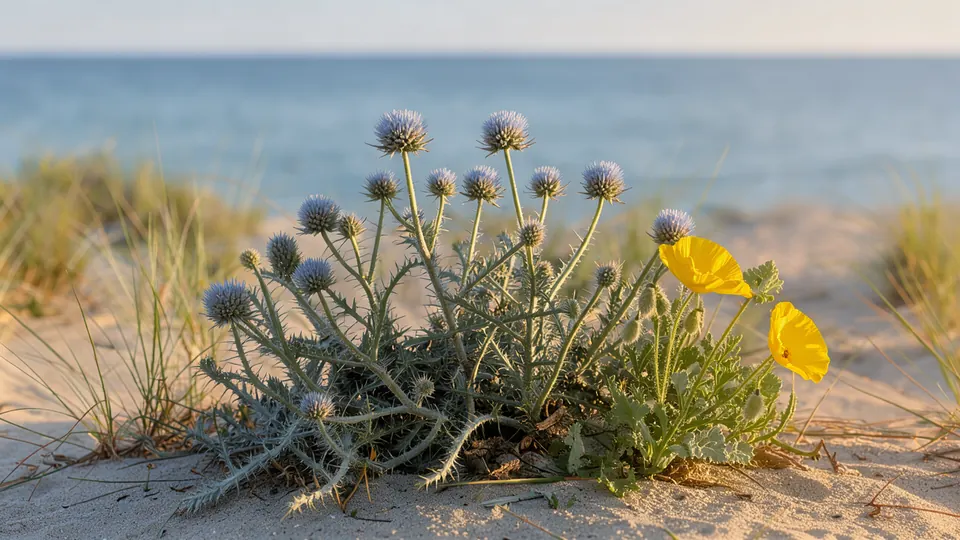
The coastal areas around Nessebar harbour a surprisingly diverse range of plant species, adapted to the unique conditions of the Black Sea coast. Most visitors come for the beaches and the medieval churches and never look down at what grows between the dunes and along the rocky shore — yet the flora here is one of the region's quiet treasures. The combination of Mediterranean influences, continental climate patterns, and maritime exposure creates ecological niches that support both common and rare botanical species.
A Crossroads of Climates
Nessebar sits at a botanical crossroads. The southern Bulgarian Black Sea coast enjoys warm, dry summers reminiscent of the Mediterranean, but it also feels the colder, continental winters of the Balkan interior, while constant exposure to salt-laden sea air filters out all but the toughest plants. The result is a flora that mixes drought-loving Mediterranean herbs, hardy steppe species, and specialised coastal plants found nowhere inland. Spring (April to early June) is the richest season for wildflowers, while high summer favours the silver-leaved, aromatic survivors of the heat.
The Dune Specialists
Sand dunes north of the Old Town, particularly around the Sunny Beach area, support specialised dune vegetation including sea holly, sand couch grass, and sea rocket. These hardy plants have evolved remarkable adaptations to withstand salt spray, shifting sands, and intense summer heat. Sea holly (Eryngium maritimum), with its striking steel-blue, thistle-like flower heads, is one of the most recognisable and now legally protected dune plants in Bulgaria. Its deep roots and waxy, blue-grey leaves are built to survive where the soil is little more than moving sand baked by the sun.
Dune systems are among the most fragile habitats on the entire coast. The same grasses and creeping plants that look so ordinary are in fact the engineers that hold the sand in place; trampling them or driving across the dunes can destroy in an hour what took decades to establish. This is why several stretches of dune near Nessebar are now marked and protected.
The Aromatic Rocks
The rocky outcrops of the peninsula itself host communities of drought-resistant plants, including several species of wild thyme, oregano, and other aromatic herbs that have been used in local cuisine for centuries. On a hot afternoon the air around the old walls can carry the warm, peppery scent of these herbs — the same thyme and oregano that flavour Bulgarian grilled meats and the local fish dishes. Gathering small amounts of wild herbs has long been part of coastal life, and many a Nessebar kitchen still seasons its cooking with thyme picked from the rocks.
Spring Colour Against the Blue
In spring, the rocks burst with colour as wild flowers bloom, creating a stunning contrast against the blue sea. Between April and June, visitors walking the perimeter of the Old Town or the trails near Sveti Vlas and the Sunny Beach hinterland can find a changing display of yellows, purples, and whites — crocuses and irises early in the season, followed by an explosion of meadow flowers. For photographers and nature lovers, this brief window is one of the most rewarding times to visit, before the summer crowds and the high heat arrive.
Sea Meadows and the Salt Lake
The botanical interest is not confined to dry land. Beneath the surface, the shallow coastal waters support beds of marine vegetation — including eelgrass and various algae — that shelter young fish and feed the wider ecosystem the local fishermen depend on. A short distance south, the lagoon of Pomorie Lake creates an entirely different botanical world: a salty, shallow wetland fringed with salt-tolerant glasswort and other specialised "halophyte" plants that turn red in late summer, colouring the shoreline in vivid bands. The same lake is famous for its therapeutic mud and its salt-pans, a reminder that the coast's plant life and its long human history have always been intertwined.
A Living Pharmacy and Pantry
For centuries the people of the coast have read the local flora as both pharmacy and pantry. Wild thyme and oregano season the cooking; rose hips, elder, and St John's wort are gathered for teas and home remedies; and the lavender and herbs of the wider region feed Bulgaria's well-known trade in essential oils and natural cosmetics. Many of the souvenirs sold in the Old Town — lavender sachets, herbal teas, rose products — are the commercial face of this deep botanical knowledge, and buying them is a small way to take a piece of the coast's flora home.
Protecting What Remains
Conservation efforts in recent years have focused on protecting the remaining natural habitats around Nessebar from development pressure. The establishment of protected zones along the coast helps preserve these botanical treasures for future generations. The wider region also borders some of Bulgaria's most important protected areas — the wetlands of Pomorie Lake to the south and, further along the coast, the ancient forests of Strandzha Nature Park, the largest protected territory in the country. These designations form a network that gives the coast's plants and the wildlife that depends on them a fighting chance against intensive tourist development.
For visitors, the simplest contribution is to stay on marked paths, avoid picking protected species such as sea holly, and treat the dunes as the living, fragile structures they are.
FAQ
When is the best time to see wildflowers near Nessebar?
Spring, roughly from April to early June, is the peak. The rocks and meadows around the Old Town and along the coast bloom with crocuses, irises, and a succession of wildflowers before the summer heat.
What is sea holly and why is it protected?
Sea holly (Eryngium maritimum) is a striking blue, thistle-like dune plant adapted to salt and shifting sand. It is legally protected in Bulgaria because dune habitats are fragile and have declined under coastal development.
Are the dunes near Nessebar fragile?
Yes. Dune plants hold the sand in place, and trampling or driving over them can cause lasting damage. Several dune areas near Nessebar and Sunny Beach are now marked and protected.
Which herbs grow wild around the Old Town?
Wild thyme and oregano are the most common aromatic herbs on the rocky parts of the peninsula. Their scent is noticeable on hot days, and the same herbs flavour much of the local cooking.
Are there larger protected areas nearby?
Yes. Pomorie Lake to the south and the extensive Strandzha Nature Park further down the coast are major protected areas, forming a regional network that helps conserve the coast's flora.
To base yourself near the dunes, coastal trails, and the Old Town, see our Nessebar destination guide and browse places to stay.
Get local stories & deals
One email a month with the best Black Sea stories and seasonal deals. No spam.