Birdwatching Around Nessebar: A Paradise for Ornithologists
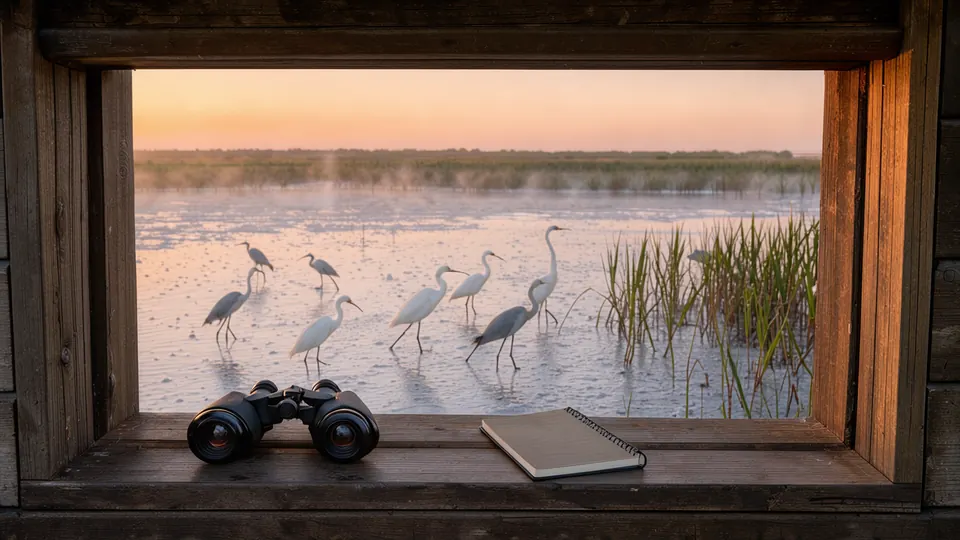
The wetlands, salt pans, and coastal habitats around Nessebar make the region one of the most important birdwatching destinations in the Balkans. The Via Pontica migration route, one of Europe's major flyways, passes directly over the Bulgarian Black Sea coast, funnelling millions of migratory birds through the area each spring and autumn. For birdwatchers, this concentration of species in such a compact, accessible area is rare in Europe, and a few days based in Nessebar can yield an exceptional species list.
Why Nessebar Is So Good for Birds
Migrating birds prefer to follow coastlines and avoid long sea crossings, so the narrow strip of land between the Black Sea and the inland hills acts as a natural bottleneck. Storks, pelicans, raptors and countless smaller migrants are channelled along this corridor. Combine that with the food-rich wetlands and salt lakes nearby, and you have a stopover and feeding ground used by enormous numbers of birds.
Key Birdwatching Sites
Pomorie Salt Lake
Located just a few kilometres south of Nessebar, the Pomorie Salt Lake is the standout site. This protected area hosts breeding populations of avocets, black-winged stilts, and several species of terns. During migration season, the lake becomes a temporary home for tens of thousands of wading birds, including species rarely seen elsewhere in Europe. The shallow lagoons and salt pans are ideal for spotting waders feeding at close range. Early morning, when the light is soft and the birds are most active, is the best time to visit.
The Nessebar Peninsula
The peninsula itself, with its rocky shores and sheltered coves, attracts various seabirds including Mediterranean gulls, cormorants, and occasional sightings of the endangered Yelkouan shearwater. The breakwaters and fishing boats around the harbour provide excellent vantage points for observing these marine species — bring binoculars and scan the sea, especially when boats are returning with the catch and gulls gather.
Nearby Wetlands
The wider area's marshes and lagoons support herons, egrets, ducks and reed-dwelling species. These habitats are most productive at dawn and dusk.
Best Times to Visit
The best times for visiting birdwatchers are April-May and September-October, when migration is at its peak and the diversity of species passing through is greatest. Spring brings birds in breeding plumage heading north; autumn brings the return passage, often in even larger numbers. Summer is quieter but still rewarding for breeding species at the salt lake, while winter brings wildfowl and the occasional rarity.
Practical Tips for Birdwatchers
- Bring binoculars and, ideally, a spotting scope for the open lagoons and the sea.
- Go at dawn for the best light and the most active birds; the salt lake is especially good early.
- Wear neutral colours and move slowly to avoid flushing the birds.
- Carry a field guide to the birds of the Balkans, and a notebook or app for your species list.
- Respect the protected areas — keep to paths and viewpoints and do not disturb breeding sites.
- Sun protection and water are essential at the exposed salt pans in summer.
Local guide services offer specialised birdwatching tours that combine ornithological exploration with visits to Nessebar's historical sites, so you can pair a morning at the salt lake with an afternoon among the UNESCO churches.
A comfortable base near the coast lets you reach the salt lake at first light and return to the Old Town for the afternoon. Browse accommodation at nesebar.net/properties and nesebar.net/apartments/nesebar, and read more at nesebar.net/destinations/nesebar.
FAQ
When is the best time of year for birdwatching near Nessebar?
April-May and September-October, during the peak of the spring and autumn migrations along the Via Pontica flyway, when the greatest diversity of birds passes through.
What is the Via Pontica?
The Via Pontica is one of Europe's major bird migration routes. It runs directly over the Bulgarian Black Sea coast, channelling millions of migratory birds through the Nessebar area each spring and autumn.
Where is the best place to watch birds?
The Pomorie Salt Lake, just a few kilometres south of Nessebar, is the standout site, with breeding avocets, stilts and terns and tens of thousands of waders during migration. The Nessebar peninsula's shores are good for seabirds.
What species might I see?
Avocets, black-winged stilts, several tern species and many waders at the salt lake; Mediterranean gulls, cormorants and the endangered Yelkouan shearwater around the peninsula; plus storks, pelicans and raptors on passage.
What should I bring?
Binoculars and ideally a spotting scope, a field guide to Balkan birds, neutral clothing, sun protection and water. Dawn visits give the best light and activity.
Are there guided birdwatching tours?
Yes. Local guide services run specialised tours that combine birdwatching with visits to Nessebar's historical UNESCO sites, ideal if you want expert help finding and identifying species.
Get local stories & deals
One email a month with the best Black Sea stories and seasonal deals. No spam.